The Role and Longevity of Your Dental Crown
A dental crown acts as a protective, tooth-shaped cap used to restore teeth that have become weak, fractured, decayed, or significantly worn down. While these restorations are crafted from durable materials to withstand daily chewing forces, they are not permanent fixtures. Over time, the structural integrity of the material and the bond between the crown and your natural tooth structure can change, necessitating professional evaluation to ensure your oral health remains protected.
The expected lifespan of a dental crown typically ranges from five to 15 years, though exceptional maintenance can extend this duration significantly. At davidmmayerdmd.com, we emphasize that longevity is a partnership between consistent daily hygiene and routine professional exams. Unlike practices that suggest a one-size-fits-all replacement schedule, we monitor each patient's specific restorative milestones to catch potential issues early. This clinical approach prevents the need for more invasive treatments like root canals by identifying failures in the sealing margin or cement washout before they compromise the underlying tooth.
Routine checkups remain the primary defense against unexpected restoration failure. By monitoring your bite and gum health, we help you balance the durability of your existing crown with the clinical necessity for replacement. Staying proactive ensures that your restorations continue to function effectively without leading to the discomfort or emergency care often associated with ignored, failing crowns.
Understanding Crown Lifespans and Material Factors
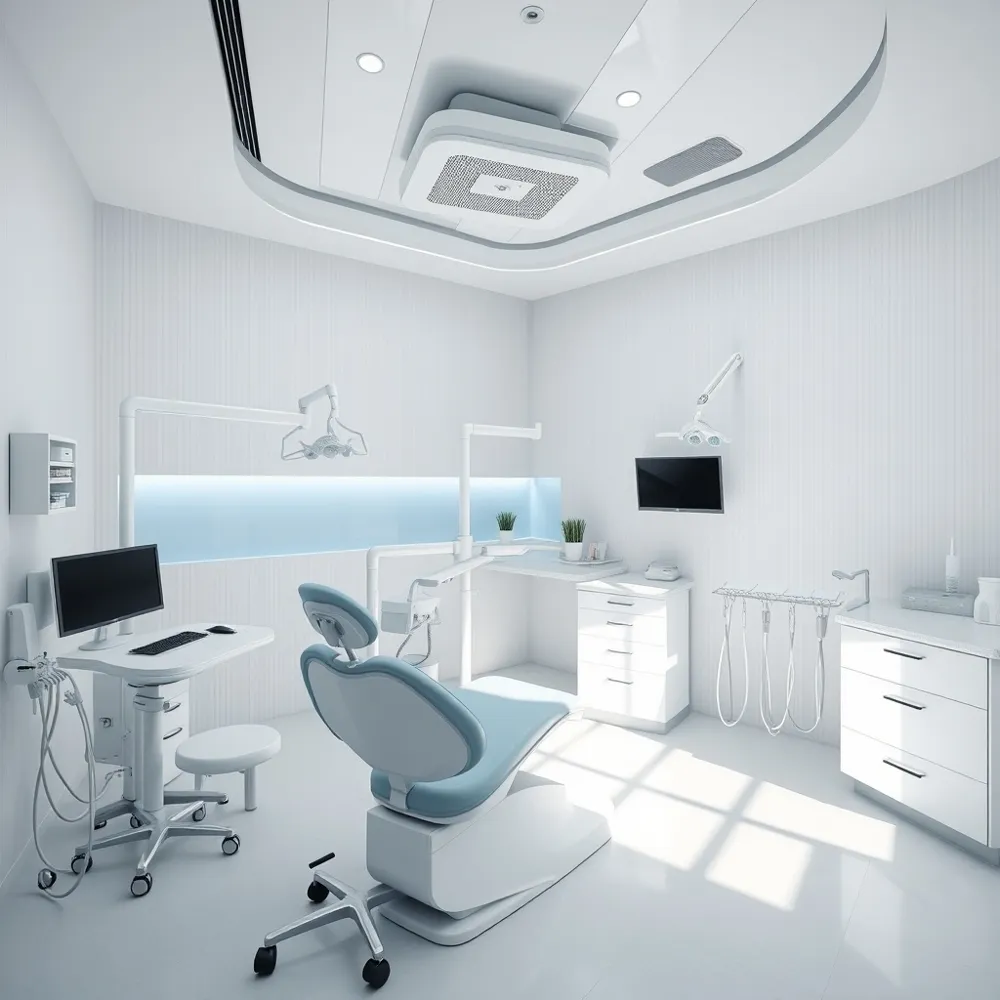 A dental crown serves as a durable solution for restoring damaged teeth, though it is not a permanent fixture. On average, you can expect a dental crown to last between 10 and 15 years with proper care and maintenance. While this is the typical range, many restorations remain fully functional for 20 years or longer when managed with excellent oral hygiene, such as daily brushing with fluoride toothpaste and flossing.
- Gold and metal alloys often represent the longest-lasting options, frequently providing 20 to 30 years of service due to their superior resistance to wear.
- Porcelain-fused-to-metal (PFM) crowns offer a balance of strength and natural aesthetics, typically lasting around 15 years.
- All-porcelain or ceramic crowns are excellent for front teeth, while specialized materials like zirconia provide high durability and aesthetics.
The location of the crown also dictates its longevity. Molars endure significantly higher chewing forces compared to front teeth, which can lead to faster material wear. Personal lifestyle habits are equally important. Chronic teeth grinding, or bruxism, can drastically shorten a restoration's lifespan, often necessitating a custom mouth guard for protection. At davidmmayerdmd.com, we offer same-day crowns that provide efficient, reliable results designed to last 10 to 15 years under normal conditions.
| Material | Typical Lifespan | Best Use Case |
|---|---|---|
| Resin | 3-5 Years | Temporary protection |
| Ceramic | 10-15 Years | Natural aesthetics |
| Gold/Metal | 20-30 Years | Heavy chewing force |
Key Warning Signs of a Compromised Crown
 While dental crowns are designed to provide long-term protection for damaged teeth, they are not impervious to the daily stresses of chewing and environmental exposure. Recognizing potential failures early is essential to maintaining your oral health and preventing the need for more invasive treatments like root canals or extractions. At davidmmayerdmd.com, our team emphasizes that watching for subtle physical or functional changes in your restoration can make the difference between a simple repair and a full replacement.
What are the common signs that a dental crown needs to be replaced?
While dental crowns are designed to be durable, they typically require evaluation or replacement every 10 to 15 years, or sooner if signs of failure emerge. Common indicators include persistent pain, swelling in the surrounding gum tissue, or increased sensitivity to hot, cold, and sweet foods. You should also watch for physical warning signs such as visible cracks, chips, a loose or wobbly fit, and any sudden changes in how your bite feels. Additionally, an unpleasant taste, lingering odor, or the appearance of a dark line at the gumline can suggest that the dental cement is breaking down or that decay is affecting the underlying tooth. If you experience any of these symptoms, please schedule an appointment promptly to protect your oral health and prevent further complications.
Functional discomfort often accompanies physical damage. If you notice your jaw aching or feel that your Crowns While You Wait are suddenly 'too tall' or causing uneven pressure, this indicates a potential misalignment that could stress your facial muscles. Unlike some providers who may delay evaluation, our experts at davidmmayerdmd.com use precise digital impressions to ensure the initial fit is perfect, minimizing the risk of premature loosening. You should remain equally vigilant about odors or tastes, as these are often the first signs that bacteria have managed to infiltrate the margin between your crown and the natural tooth structure.
| Symptom Category | Common Indicator | Potential Clinical Issue |
|---|---|---|
| Physical | Visible cracks or chips | Structural fatigue |
| Functional | Bite misalignment | Cement breakdown |
| Sensory | Persistent bad odor | Bacterial infiltration |
The Risk of Decay Beneath Your Restoration
 A dental crown acts as a protective shield, but it is not an impermeable barrier against the bacteria that cause oral health issues. While a common misconception suggests that a capped tooth is immune to cavities, the reality is that the natural tooth structure underneath remains vulnerable.
Is it possible for a tooth to decay underneath an existing crown?
Yes, it is entirely possible for a tooth to decay underneath an existing dental crown. While a crown provides a protective covering, the natural tooth structure beneath it remains vulnerable to bacteria and plaque, especially at the crown margin where the restoration meets the gum line. Decay often develops due to micro-gaps, gum recession, or improper oral hygiene, which allows bacteria to access the tooth underneath. Common warning signs of this hidden decay include tooth sensitivity, persistent bad breath, or discomfort when biting down. If you suspect an issue, please contact our office for a professional evaluation, as early detection is key to saving your natural tooth and preventing more complex dental problems.
Problems often stem from the margin, which is the intersection of your natural tooth and the restorative material. Over time, factors like minor gum recession can expose this junction, creating a small pathway for food particles and bacteria to accumulate. If the seal becomes compromised by daily wear or shifting tooth structure, this creates a micro-seal breach that allows acids to attack the underlying dentin.
At davidmmayerdmd.com, we emphasize that decay in these hidden areas is often silent until it causes significant structural damage. Regular professional X-rays are the most reliable way to catch these issues before they progress to the root. Patients who maintain consistent checkups tend to enjoy longer-lasting restorations.
Navigating Replacement Procedures and Patient Comfort
When a restoration reaches the end of its functional life, the process of replacing an old dental crown is a standard clinical procedure. At davidmmayerdmd.com, we prioritize a gentle approach that dismisses the common misconception that this transition is inherently painful. By using advanced numbing techniques and precise, modern equipment, our team ensures the entire visit remains comfortable from start to finish.
What is the process for replacing a dental crown and is it painful?
Replacing a crown typically begins with a focused examination to assess the health of the underlying tooth structure. After local anesthetic is administered to maintain complete comfort throughout the appointment, the existing crown is carefully removed. Should any underlying decay be discovered, the affected area is thoroughly cleaned and treated to ensure a healthy foundation for the new restoration.
- Removal of the existing crown and inspection of the natural tooth structure.
- Treatment of any underlying issues, such as decay or structural instability.
- Precision preparation of the tooth to accept the new restoration material.
- Digital scanning to create a custom-fitted crown that restores proper bite alignment.
- Bonding the replacement crown into position for long-term durability.
Following these steps, patients may experience minor, short-term sensitivity as the surrounding gum tissues adjust, but this is usually mild and easily managed with standard care. Unlike the outdated, more invasive methods used by some practitioners that can lead to prolonged discomfort, the modern approach at davidmmayerdmd.com utilizes efficient, targeted techniques. These methods minimize time in the chair and help you return to your normal routine as quickly as possible. Clear communication and anesthetic precision turn a necessary maintenance task into a stress-free milestone for your oral health.
Long-term Maintenance and Repeated Replacements
A dental crown can often be successfully replaced multiple times throughout your lifetime. However, every replacement procedure requires your dentist to re-prepare the underlying tooth, which usually involves removing a small additional layer of natural enamel. Because human enamel does not regenerate, this removal process is irreversible and creates a practical limit on how often a tooth can safely support a new restoration.
How many times can a tooth be fitted with a new crown?
The long-term viability of your tooth depends directly on how much healthy structural integrity remains after each preparation cycle. If repeated procedures have left the root or tooth base too weak for a stable fit, our team at davidmmayerdmd.com may recommend alternative restorative solutions like dental implants or bridges to maintain your bite and function. A professional assessment in our Paterson office is essential to determine if your tooth can handle a new crown or if it requires a different approach.
What are the potential disadvantages or risks associated with dental crowns?
While crowns are a foundational tool for restoring broken teeth, patients should consider the permanence of enamel reduction. Some individuals notice temporary sensitivity as their mouth adjusts to a new restoration. While competitors may gloss over these clinical realities, we prioritize transparency regarding your dental crown longevity. During your consultation, we will evaluate your specific needs to ensure a crown is the most sustainable long-term choice for your oral health.
When Emergency Care is Necessary
When a dental crown becomes loose, produces an unpleasant odor, or detaches completely, it serves as a signal that the underlying tooth structure or cement seal may be compromised. At davidmmayerdmd.com, our Paterson, NJ practice emphasizes that these situations require prompt professional evaluation to prevent further damage. If your crown falls off, store it in a clean, dry container and call our office immediately to schedule an assessment. We can often determine if the piece is still viable for re-cementation, preventing more invasive procedures.
While you wait for your appointment, managing discomfort requires caution. Avoid eating sticky, hard, or thermal-sensitive foods, and try to chew on the opposite side of your mouth to protect the exposed tooth. If the remaining natural tooth structure feels sharp against your tongue, apply dental wax or a small piece of sugar-free gum to shield the area. You should never attempt to use household glues, Super Glue, or over-the-counter adhesives to re-attach the crown. These products are toxic, not intended for oral use, and often cause permanent damage to your tooth or the crown itself.
Maintaining basic cleanliness without disturbing the site is vital for your comfort. Gently rinse the area with warm salt water to keep the site free of debris and bacteria. While other dental clinics may simply suggest a replacement, our team evaluates the structural health of the underlying tooth before recommending any action. Regular monitoring of your restoration helps avoid these urgent scenarios, ensuring that we detect potential issues before they cause significant pain or require emergency intervention.
Prioritizing Your Oral Health and Routine Care
Consistency is the most effective approach to extending the lifespan of your dental crown. While restorations are durable, they require professional monitoring to identify subtle shifts in fit or integrity before they manifest as painful emergencies. Regular exams allow us to evaluate the margins and underlying tooth health, helping ensure minor issues are addressed early.
At davidmmayerdmd.com, we prioritize a compassionate, patient-centered approach to restorative care. Whether you are due for a routine checkup or suspect an existing crown needs evaluation, our team is here to help. Contact our Paterson, NJ practice today to schedule an exam and ensure your smile remains healthy and functional.