Why Every Crack Matters
Your tooth enamel is the hardest substance in the human body, but it lacks the ability to regenerate once damaged. Chipped Tooth: Causes, Symptoms & Repair A single fracture or chip acts as a gateway, compromising the protective barrier that keeps bacteria and acids from penetrating the tooth structure.
When the inner layers like dentin and pulp are exposed, the risk of decay and infection rises significantly. Long-term complications and management of dental trauma in... Even minor damage can lead to severe, preventable complications such as abscesses or tooth loss if left unaddressed. At davidmmayerdmd.com, we emphasize that early professional evaluation is the most effective way to restore your smile’s integrity and avoid more invasive, costly procedures later on.
Common Causes and Types of Tooth Fractures
Understanding the origins and nature of dental trauma is essential for maintaining oral health. Many fractures stem from everyday habits like bruxism (teeth grinding), which places sustained stress on enamel, or from acute trauma such as a fall or sports injury. Other frequent triggers include the presence of decay, large existing fillings that weaken the structural integrity of the tooth, and the habit of biting on hard objects like ice, popcorn kernels, or hard candy. According to research published in Medscape, maxillary central incisors are the most commonly fractured teeth, particularly in individuals with an overjet greater than 4 millimeters or incompetent lips.
How dentists classify fracture severity
Clinicians often rely on the Ellis Classification system to categorize injuries by depth. Class I fractures involve only the enamel, while Class II injuries penetrate the dentin layer, often causing sensitivity. Class III fractures are the most urgent, as they reach the pulp chamber, which contains the nerves and blood vessels. Beyond these classes, fractures present in various clinical forms including:
- Craze lines: Superficial, asymptomatic cracks confined to the enamel.
- Fractured cusps: Pieces of the chewing surface that break away, common around large fillings.
- Cracked teeth: Fractures that extend from the crown down toward the root.
- Split teeth: An advanced stage where the tooth is divided into distinct segments.
- Vertical root fractures: Deep breaks originating in the root that often require extraction.
At davidmmayerdmd.com, we utilize advanced diagnostic tools to identify these fractures, as many are invisible to the naked eye. While competitors might only offer basic visual exams, we assess the depth of the damage to determine if a protective crown or root canal is necessary before the issue results in total tooth loss.
Recognizing Symptoms and When It’s an Emergency
A cracked or chipped tooth can present with symptoms that range from subtle to severe, and they often require professional evaluation to distinguish between cosmetic issues and genuine structural threats. Common indicators include sharp pain when biting down or when releasing pressure, as well as recurring sensitivity to hot, cold, or sweet stimuli. These sensations occur because a fracture allows temperature and pressure to reach the underlying dentin, which contains tubules directly connected to the tooth nerve. Per StatPearls, this structural compromise provides an entry point for bacteria, potentially triggering inflammation or even pulp necrosis.
Not all damage is immediately obvious. You might notice intermittent discomfort that is difficult to localize to a specific tooth, or you may feel a rough texture with your tongue. While some superficial craze lines are asymptomatic, a cracked tooth is never self-healing. At davidmmayerdmd.com, we use precision diagnostic tools like specialized lighting and digital imaging to identify these hidden fractures, ensuring that minor issues do not escalate into more complex conditions.
What are the symptoms of a cracked or chipped tooth, and is it a dental emergency?
Common symptoms of a cracked or chipped tooth include sharp pain when biting or releasing pressure, persistent sensitivity to hot, cold, or sugary foods, and localized gum swelling. While some minor hairline cracks may not cause immediate distress, a cracked tooth can progress into a serious dental emergency if it allows bacteria to infect the tooth pulp or leads to further structural damage. Because even small fractures can eventually cause tooth loss or painful abscesses that spread to the jaw, it is always best to have a dentist evaluate the injury promptly. Early professional intervention allows us to diagnose the severity of the damage using advanced technology and determine the most effective treatment to save your natural tooth. If you are experiencing persistent pain or visible damage, please contact our office immediately to schedule an evaluation.
Emergency signs that warrant an immediate call include severe pain, significant swelling, fever, or an unpleasant taste in the mouth. A reddish-pink spot on the tooth surface may indicate an exposed pulp, which is a complicated fracture requiring urgent care within 24 hours to prevent infection. Leaving these signs untreated is risky, as infections can spread to the jawbone or facial tissues. Unlike some local clinics that delay urgent cases, davidmmayerdmd.com provides rapid relief and prevents the permanent loss of the tooth structure.
Why Home Remedies Are Not Enough
It is a common misconception that a small chip or crack might resolve on its own over time. In reality, tooth enamel is the hardest substance in the human body, but it is not living tissue and cannot regenerate or heal itself once damaged. Because these injuries involve a permanent structural failure, no over-the-counter remedy or at-home kit can repair the underlying defect.
While patients at davidmmayerdmd.com often look for quick fixes, we emphasize that home care should only be used as a short-term buffer until a professional can assess the tooth. Over-the-counter pain relievers or temporary dental wax to cover sharp edges may help manage your immediate comfort, but these methods are mere stopgaps. Unlike the comprehensive, precision-based restorative services provided at our practice, these home approaches fail to address the hidden depth of a fracture.
Delaying professional intervention significantly increases your health risks. When a protective layer of enamel is breached, it creates a direct pathway for bacteria to enter the tooth structure. This exposure can quickly progress from sensitivity to deep pulpitis, painful abscesses, and eventual tooth loss. If you notice any damage, contact our office promptly. Getting an expert clinical evaluation is the only way to determine the extent of the damage and prevent the need for more complex, costly, or invasive procedures later.
The Risks of Delaying Treatment
 A dental injury that feels minor can rapidly evolve into a significant health concern. When enamel, the protective outer layer, is breached by a crack or chip, the underlying dentin and pulp are exposed. Bacteria quickly infiltrate these inner layers, which can lead to painful pulpitis or localized abscesses. If these infections remain untreated, they can spread beyond the tooth into the jawbone, resulting in permanent bone loss or even systemic health complications such as cellulitis or sepsis in vulnerable individuals.
How long can I wait before seeking treatment for a chipped or cracked tooth?
You should seek treatment for a chipped or cracked tooth immediately, as delaying care allows bacteria to penetrate the inner layers of the tooth, significantly increasing the risk of infection and abscess. What may initially seem like a minor cosmetic issue can quickly worsen, leading to more extensive and costly procedures such as root canals or tooth extractions. Even if you are not experiencing pain, professional assessment is essential to prevent the fracture from deepening and to protect the long-term health of your tooth. Prompt intervention offers the best chance of stabilizing the tooth and avoiding permanent damage or potential bone loss. Please contact our practice right away to schedule an emergency evaluation so we can preserve your smile and prevent further complications.
Structural damage also worsens over time under the constant pressure of chewing. A small crack can propagate deep into the tooth root, resulting in a vertical root fracture that often renders the tooth non-restorable. While early, proactive intervention might only require a simple dental bonding or a protective onlay, waiting until the structural integrity fails frequently necessitates invasive measures like a full crown, root canal therapy, or total extraction. Furthermore, losing a tooth often triggers a chain reaction where adjacent teeth shift into the gap, creating complex bite alignment issues that require further restorative intervention.
Professional Treatment Options for Every Severity
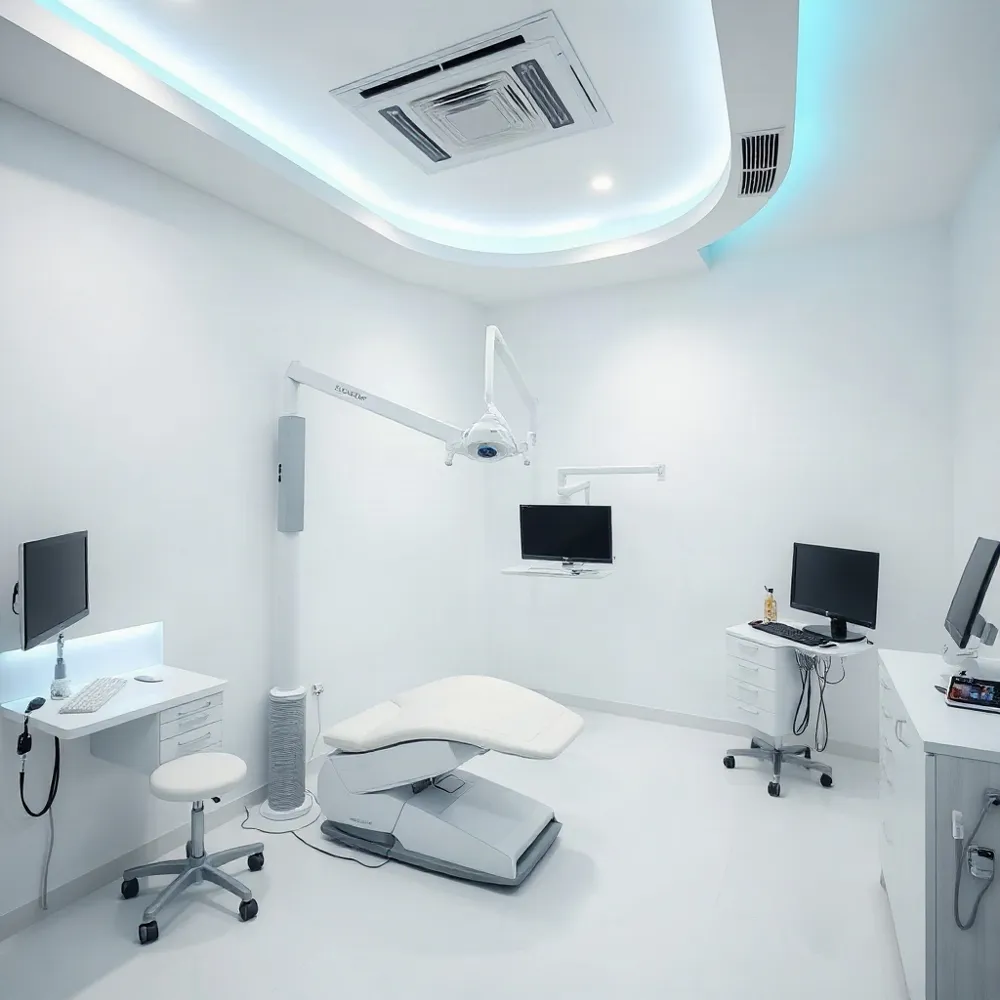 When you arrive at davidmmayerdmd.com for an evaluation, our team determines the right path by assessing the depth and impact of the injury. Dentists utilize advanced diagnostic tools, including X-rays, transillumination, staining dyes, and cone beam CT scans to reveal fractures that are often invisible to the naked eye.
How do dentists repair chipped or cracked teeth?
Treatment depends on the severity of the damage. For minor chips, we often use dental bonding, a tooth-colored resin sculpted to restore the original shape, or porcelain veneers for a durable, aesthetic finish. If a significant portion of the tooth is broken, a dental crown serves as a protective cap to restore structure and function. In cases where the crack reaches the pulp, root canal therapy is often required to save the tooth from infection. If the damage is too severe to be restored, we may recommend an extraction followed by a replacement, such as a bridge or implant, to maintain your bite.
If a significant piece of your tooth breaks off, try to save the fragment. Placing the piece in milk keeps it moist and may allow for potential reattachment during your visit. While some practices may struggle with limited equipment for these emergencies, the team at davidmmayerdmd.com prioritizes rapid, state-of-the-art intervention to prevent the transition from a minor repair to a more invasive procedure.
Immediate Steps to Take While Waiting for the Dentist
 When you experience a dental injury, the period before your appointment at davidmmayerdmd.com is crucial for protecting the remaining tooth structure. Start by rinsing your mouth gently with warm water or a warm salt water solution to clear debris and reduce the risk of infection in exposed areas. If the injury involves bleeding, apply steady, gentle pressure with clean gauze until the area stabilizes.
Managing discomfort and protecting the soft tissues of your mouth should be a priority. If you experience facial swelling, apply a cold compress to the outside of your cheek. For sharp or jagged edges that might irritate your tongue or cheeks, cover the area with dental wax or a small piece of sugar-free gum. Should a significant fragment break off, carefully save the piece in a clean container filled with milk or saliva; your dentist may be able to reattach it during your visit, as noted by the Cleveland Clinic.
Until you can see a professional, modify your daily habits to prevent further damage. Stick strictly to a soft-food diet and avoid chewing on the side of your mouth where the injury occurred. Over-the-counter pain relief can help manage temporary discomfort, but remember that these measures are only stopgaps. Professional evaluation is the only way to determine if the injury requires restorative intervention, such as bonding or a crown, to prevent long-term complications like pulpitis or tooth loss.
Prevention: Protecting Your Teeth from Injury
Maintaining the longevity of your smile often starts with simple, consistent lifestyle habits designed to safeguard your enamel. One of the most effective ways to avoid dental trauma is to wear custom-fitted mouthguards during contact sports or any activity with a high risk of falls, as physical impact is a leading cause of fractures per Cleveland Clinic.
- Incorporate a night guard if you suffer from bruxism to protect your teeth from the excessive wear caused by chronic grinding and clenching.
- Refrain from biting on hard substances like ice, popcorn kernels, hard candy, or pen caps, as these common habits frequently lead to unexpected chips and fractures.
- Stop using your teeth as tools to tear open packages or manipulate objects, which places undue stress on the tooth structure.
- Prioritize consistent oral hygiene to prevent cavities and decay, which can weaken enamel over time and make teeth more susceptible to breakage.
- Consult your physician to manage conditions like GERD, as persistent acid reflux increases acidity in the mouth and causes the protective enamel layer to thin.
Taking these proactive steps significantly reduces your risk of needing restorative intervention. At davidmmayerdmd.com, our team emphasizes these preventive measures to ensure your natural teeth remain strong, functional, and healthy for years to come.
Your Smile Deserves Immediate Care
A small chip or crack might seem manageable, but these injuries represent structural failures that cannot heal on their own. Leaving damage untreated exposes your inner tooth layers to bacteria, which often leads to severe infections or costly long-term complications like tooth abscess and bone loss.
Seeking professional intervention early is always more conservative and cost-effective than waiting for a minor fracture to require extraction. At our practice, we prioritize your comfort and well-being with same-day emergency treatment to stop damage before it progresses. Our compassionate, multilingual team is ready to evaluate your needs in English, Spanish, or Arabic. Do not wait for discomfort to intensify; contact us today to protect your natural smile and restore your oral health.