Exploring Modern Options for Orthodontic Correction
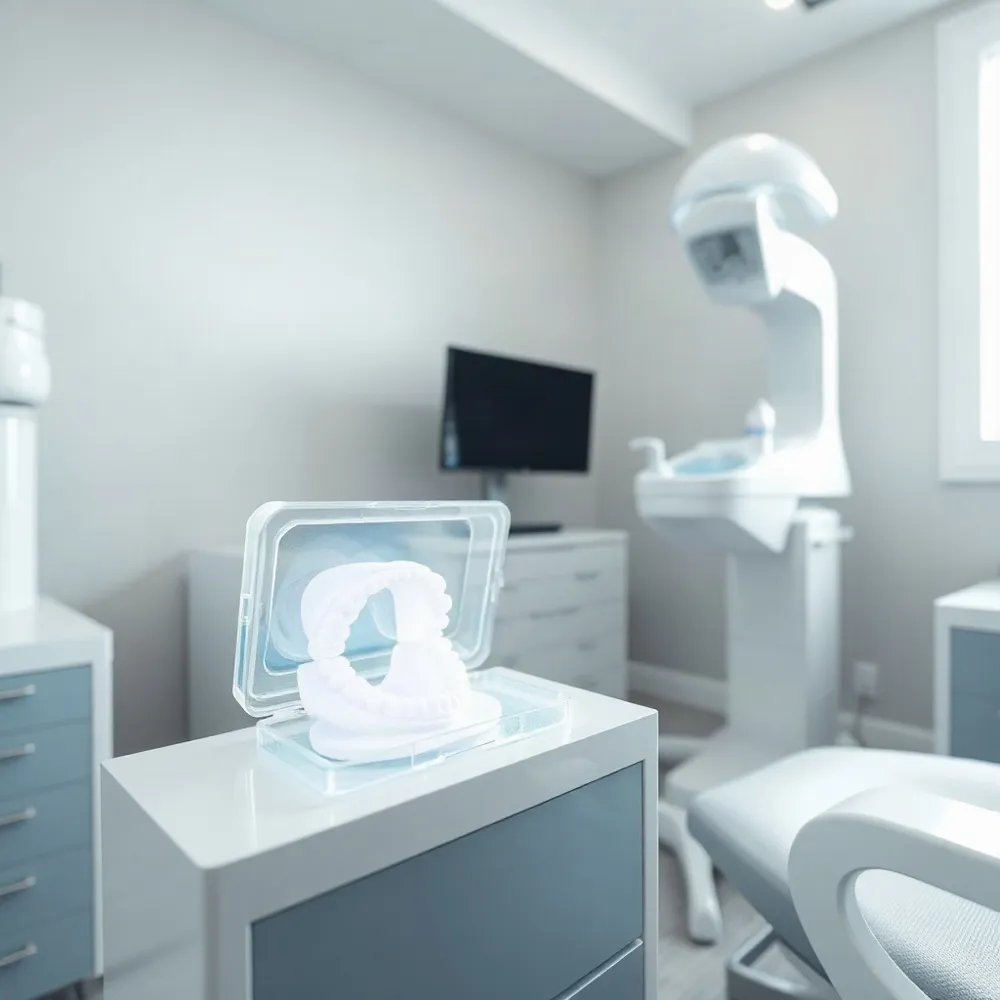
Modern orthodontics offers patients multiple pathways to a straighter smile, moving beyond the traditional limitations of metal brackets and wires. Clear aligner systems, such as Invisalign, provide a discreet, removable alternative that applies gentle, sequential pressure to shift teeth into their ideal positions. These clear aligners have become a popular choice for adults and teenagers who prioritize both aesthetic appearance and the flexibility to maintain standard oral hygiene routines.
At davidmmayerdmd.com, we recognize that every patient has unique dental requirements that influence the best course of treatment. While clear aligners effectively address common issues like crowding, gaps, and bite irregularities, they are not a one-size-fits-all solution. Professional evaluation is vital to determine whether aligners or traditional appliances will provide the most predictable and functional outcome for your specific anatomy.
Choosing the right orthodontic path involves a comprehensive consultation where we utilize advanced imaging to project your potential results. Whether you are considering SureSmile clear aligners or other corrective options, our team focuses on aligning your treatment plan with your long-term oral health goals. By integrating these modern technologies into our Paterson, NJ practice, we ensure that your transition to a healthier smile is both supported by professional oversight and tailored to your lifestyle.
Clear Aligners versus Traditional Metal Braces
Selecting an orthodontic pathway often involves choosing between fixed appliances and modern, removable alternatives. Traditional metal braces rely on fixed brackets and archwires to exert consistent, non-removable pressure, a mechanism that remains highly effective for addressing complex malocclusions. At davidmmayerdmd.com, we provide comprehensive evaluations to determine if your specific dental alignment requires the mechanical force of traditional hardware or if you are a candidate for more discreet options.
Clear aligner systems, such as Invisalign, offer a near-invisible approach to straightening teeth through a sequence of custom-made, removable plastic trays. This flexibility allows patients to remove the appliance for oral hygiene and dining, which helps maintain healthier gums throughout the treatment period. While this convenience is a major benefit, these systems demand significant patient discipline. To stay on track with your SureSmile treatment plan, you must wear your aligners for 20 to 22 hours every day.
Lifestyle impacts differ significantly between the two methods. Braces require specific dietary adjustments to prevent damage to wires, whereas clear aligners are removed, allowing for a standard diet and easier access for brushing. For patients considering SureSmiles Invisible Braces vs. Clear Aligners, we emphasize that both methods require a commitment to regular professional monitoring. The choice depends on the complexity of your case, the degree of rotation required, and your ability to adhere to a daily wear schedule.
Targeted Dental Alignment Issues and Treatment Capability
Modern orthodontic care relies on clear aligners to address a wide range of malocclusions, transforming how patients approach smile correction. At davidmmayerdmd.com, we utilize advanced 3D scanning technology to create digital treatment plans that map out the precise, incremental movement of your teeth. Unlike traditional metal braces which apply constant, heavy force, these aligners leverage gentle pressure and precise customization to achieve results.
What specific dental alignment issues can Invisalign successfully correct?
Invisalign is a highly effective treatment for correcting a variety of common dental alignment issues, including mild to moderate crowding, teeth that are mildly rotated, and gaps or spacing between teeth. It is also well-suited for addressing functional bite problems such as overbites, underbites, crossbites, and open bites by gradually guiding teeth into a more harmonious and healthy relationship. While these clear aligners use advanced digital planning and smart attachments to achieve excellent results, they are typically most effective for mild to moderate cases. More complex or severe skeletal discrepancies may require additional orthodontic interventions or traditional braces. To determine if this treatment is the right choice for your specific needs, a professional consultation is essential to evaluate the complexity of your dental alignment.
Understanding the limits of removable appliances is vital for predictable outcomes. While many patients prefer the discreet nature of aligners over traditional brackets and wires, certain conditions require different tools. If your case involves severe jaw misalignment or significant root movement, our team may recommend alternative options like SureSmiles or fixed appliances. We prioritize your long-term oral health, ensuring that your chosen path addresses both the cosmetic appearance and the structural function of your bite.
Patient Compliance and the 30-Minute Rule
 Success with clear aligners depends heavily on patient discipline, as the effectiveness of the system relies on nearly constant pressure against the teeth. Because these appliances are removable, you hold the primary responsibility for ensuring they remain in place for the recommended 20 to 22 hours every single day. At davidmmayerdmd.com, we emphasize that consistency is the most important factor in keeping your treatment plan on schedule and avoiding unnecessary delays.
What is the 30-minute rule associated with Invisalign treatment?
The 30-minute rule is a practical guideline used to manage the periods when you remove your aligners for meals, snacks, or oral hygiene. By limiting the time your aligners are out of your mouth to roughly 30 minutes per instance, you can easily maintain the required daily wear window. This disciplined approach ensures that your teeth receive the continuous force needed to shift effectively. If you frequently leave your aligners out for extended periods, your teeth may begin to drift back toward their original positions, which inevitably lengthens the total duration of your treatment.
When you choose SureSmile or similar aligner systems, remember that they are tools for change that work best when you prioritize them during your daily routine. Unlike fixed metal braces, which apply constant pressure without any user input, clear aligners require you to be an active participant in your care. Taking a few moments to brush and floss thoroughly before reinserting your trays helps maintain oral health throughout the process, but keeping those breaks brief is essential to staying on track toward your final results.
Discomfort Levels and the Adjustment Period
Both clear aligners and traditional braces cause some level of temporary discomfort as they apply pressure to move your teeth into their desired positions. With traditional metal braces, initial discomfort often stems from the brackets and wires causing irritation or sores on the sensitive soft tissues of your cheeks and gums. Patients with braces may also experience soreness after routine tightening appointments, which can make eating hard or crunchy foods difficult for a few days.
Is there a difference in discomfort levels between clear aligners and traditional braces?
Clear aligners such as SureSmile typically avoid the soft tissue irritation associated with metal hardware because the trays are smooth and custom-fitted. At davidmmayerdmd.com, we find that patients using clear aligners often experience a sensation of tightness or pressure rather than the sharp discomfort of wires. This pressure is most noticeable when transitioning to a new set of trays in your SureSmile sequence, as the aligners are designed to apply consistent, gentle force to shift teeth incrementally.
- Expect mild sensitivity for the first few days of a new aligner set, which indicates the treatment is working.
- Consider orthodontic wax or over-the-counter pain relief if irritation persists while your mouth adapts to new appliances.
- Maintain excellent oral hygiene at davidmmayerdmd.com to keep teeth and gums healthy throughout the process.
- Use cold water to rinse your aligners, as extreme heat can warp the proprietary plastic and change how they fit.
The primary difference between these methods lies in the source of the discomfort, namely metallic irritation versus the snug, corrective fit of the aligner trays. While both involve an adjustment period, patients at davidmmayerdmd.com often appreciate that clear aligner therapy eliminates the risk of poky wires or loose brackets that frequently trouble those with traditional metal appliances.
Debating Effectiveness and Clinical Control
The debate over clear aligners versus traditional braces often centers on the balance between lifestyle flexibility and clinical control. While aligners are popular for their discreet appearance and the ability to remove them for improved oral hygiene, their success depends entirely on the patient consistently wearing the trays for 20 to 22 hours each day. At davidmmayerdmd.com, we balance these lifestyle benefits with the mechanical needs of your smile, ensuring each patient understands the necessary commitment for optimal results.
Fixed appliances, such as traditional metal braces, offer a distinct advantage for complex bite corrections or severe malocclusions that require constant, high-level mechanical force. Because they are permanently attached, they eliminate the risk of non-compliance, providing a reliable outcome for intricate tooth movements that removable trays might struggle to replicate. For patients who prioritize predictable, hands-off treatment for significant structural realignment, fixed appliances remain a benchmark of orthodontic care.
Technological evolution, including advanced digital planning and the use of tooth-colored attachments, has bridged the gap, allowing SureSmile® Clear Aligners to address an increasingly wide range of dental concerns. However, there are physical limits to aligner technology, such as difficulties with significant tooth rotations or vertical movements that traditional hardware handles more effectively. At davidmmayerdmd.com, our team evaluates your specific alignment needs to determine whether clear trays provide enough clinical control or if a fixed approach better ensures the health and stability of your final bite.
Financial Considerations for Orthodontic Treatment
 Achieving a straighter, healthier smile requires a thoughtful investment, and understanding the financial aspects of your care is a common concern. At davidmmayerdmd.com, we prioritize transparency regarding the factors that influence total costs. The final expense for orthodontic correction is largely driven by the complexity of your unique alignment issues and the total duration of the treatment plan. Cases requiring more significant tooth movement or extended monitoring naturally involve more resources than minor cosmetic adjustments.
What factors influence the total cost of orthodontic treatment for adults?
Beyond the treatment plan itself, the specific appliance chosen plays a central role. While SureSmile clear aligners offer a discreet and removable option, their pricing structure is often assessed against the complexity of the movement required, much like traditional metal braces. Managing this investment is more accessible than many patients anticipate. Many dental insurance plans provide orthodontic coverage, which can reduce your out-of-pocket costs by as much as $3,000 in specific instances. For families or individuals looking for flexibility, using funds from a Flexible Spending Account or a Health Savings Account can also provide tax-advantaged ways to cover your care.
We believe that financial constraints should not be a barrier to achieving oral health. Beyond insurance, various financing plans allow you to spread payments over the course of your treatment. Because every patient's needs are distinct, we recommend a professional consultation to review your specific requirements. Our team is committed to helping you understand how these financial tools apply to your situation, ensuring you feel confident in your decision to invest in your long-term dental well-being.
The Risks of DIY and Unsupervised Treatment
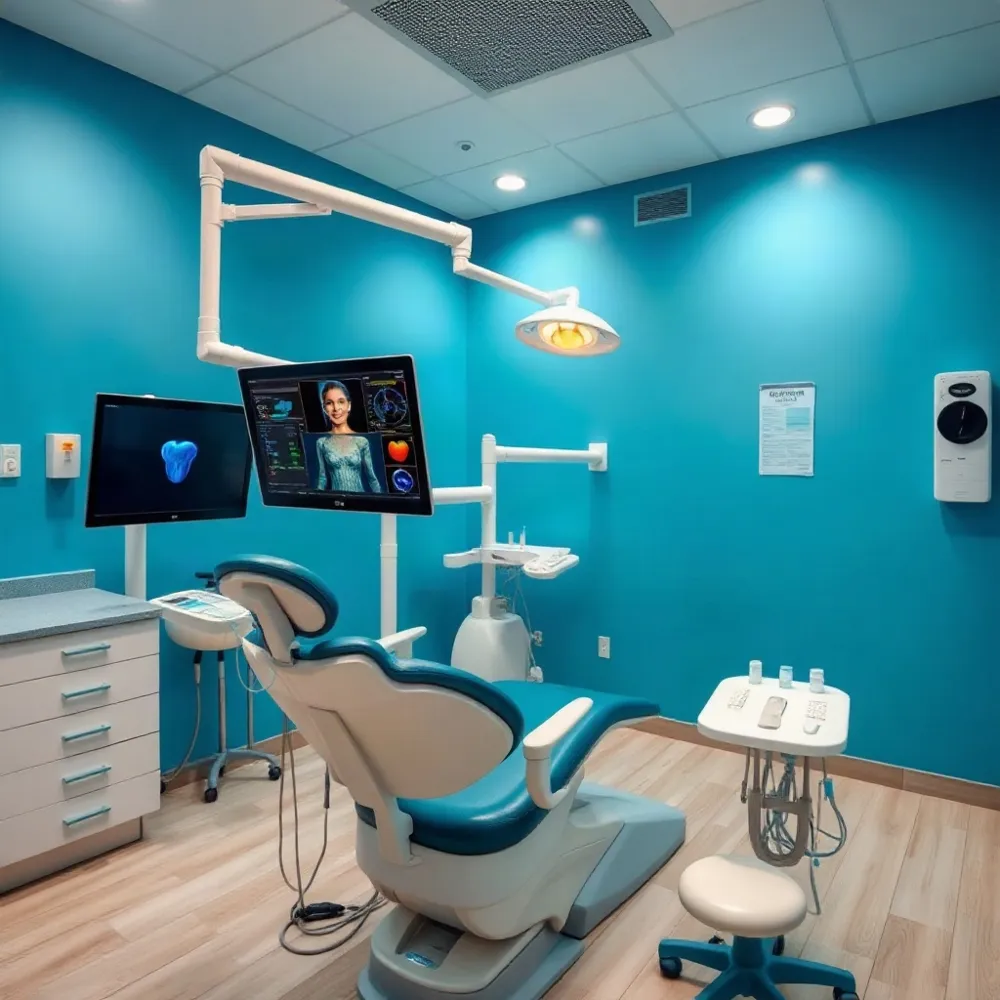 Achieving a straighter, healthier smile requires precise, clinical application of force to move teeth into alignment safely. While various direct-to-consumer orthodontic products market themselves as convenient alternatives to professional care, attempting to straighten your teeth without active, in-person supervision creates significant risks for your oral health.
Can I straighten my teeth effectively without professional dental treatment like braces or aligners?
No, you cannot effectively or safely straighten your teeth without professional dental treatment. Attempting to use at-home, mail-order kits without in-person supervision bypasses critical diagnostic steps, such as checking for underlying gum disease or complex bite issues that could be worsened by improper movement. These DIY methods often lack the ongoing clinical oversight required to monitor progress, which frequently leads to irreversible damage like root resorption, gum recession, and even tooth loss. Furthermore, many patients end up paying more in the long run to fix the complications caused by these unmonitored kits than they would have for professional, personalized care. To ensure your long-term oral health and achieve a safe, effective result, always consult with a licensed dental professional who can evaluate your unique needs and provide a supervised treatment plan.
At davidmmayerdmd.com, we prioritize your long-term health by conducting comprehensive diagnostic screenings before any treatment begins. Unlike mail-order alternatives, SureSmile treatment involves careful monitoring to prevent complications like root resorption, which research indicates can occur when teeth move without appropriate professional guidance. By choosing an experienced practice, you receive the clinical oversight necessary to ensure your orthodontic journey remains safe, predictable, and effective from start to finish.
Commitment to Your Smile and Professional Care
Selecting the right orthodontic path is a significant step toward lasting oral health. While various options exist, professional supervision remains the most reliable way to ensure safe, effective, and predictable outcomes for your smile. An in-office evaluation at davidmmayerdmd.com allows our experienced team to assess your unique dental needs, as clear aligners require careful clinical oversight to manage complex movements effectively.
Prioritizing your long-term wellness means choosing a treatment plan tailored to your anatomy rather than relying on one-size-fits-all solutions. Whether you are considering SureSmile or other custom-made clear aligners, our practice is dedicated to helping you reach your goals with confidence. We invite you to contact us at davidmmayerdmd.com to discuss how we can help improve the appearance and function of your smile through compassionate, expert care.