Understanding Dental Emergencies and Finding Fast Relief
A dental emergency involves conditions requiring immediate professional care to stop bleeding, alleviate severe pain, or address dangerous infections. Recognizing these signs early is vital, as acting quickly can often be the deciding factor in saving a damaged tooth or preventing systemic health complications per StatPearls.
At davidmmayerdmd.com, our family practice in Paterson, NJ, leverages over 40 years of experience to provide same-day emergency dental care. Unlike hospital emergency rooms, which typically only provide temporary symptom relief without performing restorative work per Cleveland Clinic, we offer comprehensive solutions to resolve your issue immediately. St. Joseph’s Health in Paterson also serves as a local hospital resource for complex cases requiring surgical intervention.
This article explores how to distinguish urgent injuries from minor issues, shares immediate steps for handling accidents, and guides you through effective pain management. We also cover financial considerations for emergency treatment and long-term prevention strategies to protect your smile.
When Tooth Pain Becomes a Dental Emergency
 A dental emergency is characterized by conditions that demand prompt intervention to stop bleeding, manage intense pain, or treat infections that risk becoming systemic. Identifying these moments is critical for preserving your oral health and preventing long-term complications requiring more extensive surgery.
What qualifies as a dental emergency requiring immediate attention?
Situations requiring urgent care include knocked-out teeth, severe toothaches originating from pulpal inflammation, and abscesses that manifest as significant facial or jaw swelling. You should also seek immediate professional attention for deep lacerations, broken facial bones, or badly cracked teeth. At davidmmayerdmd.com, we provide same-day emergency dental care to address these issues before they escalate, utilizing our multilingual team to ensure every patient in Paterson understands their treatment path.
What are the most common types of dental emergencies?
Traumatic injuries like avulsed teeth are among the most common emergencies that necessitate a visit to the clinic within one hour to maximize the chances of successful replantation. Other frequent urgent cases involve persistent, throbbing pain that does not respond to medication, which often signals an underlying dental abscess. While hospital emergency rooms may offer temporary relief via antibiotics, they do not perform restorative procedures like crowns or fillings, making a follow-up with a dentist essential for definitive care.
- Urgent: Knocked-out or dislodged teeth requiring immediate stabilization.
- Urgent: Significant facial or gum swelling indicating active infection.
- Non-Urgent: Dull toothaches or minor chips that can wait for business hours.
- Non-Urgent: Lost fillings or crowns without underlying pain or structural threat.
Should You Go to the ER for Tooth Pain?
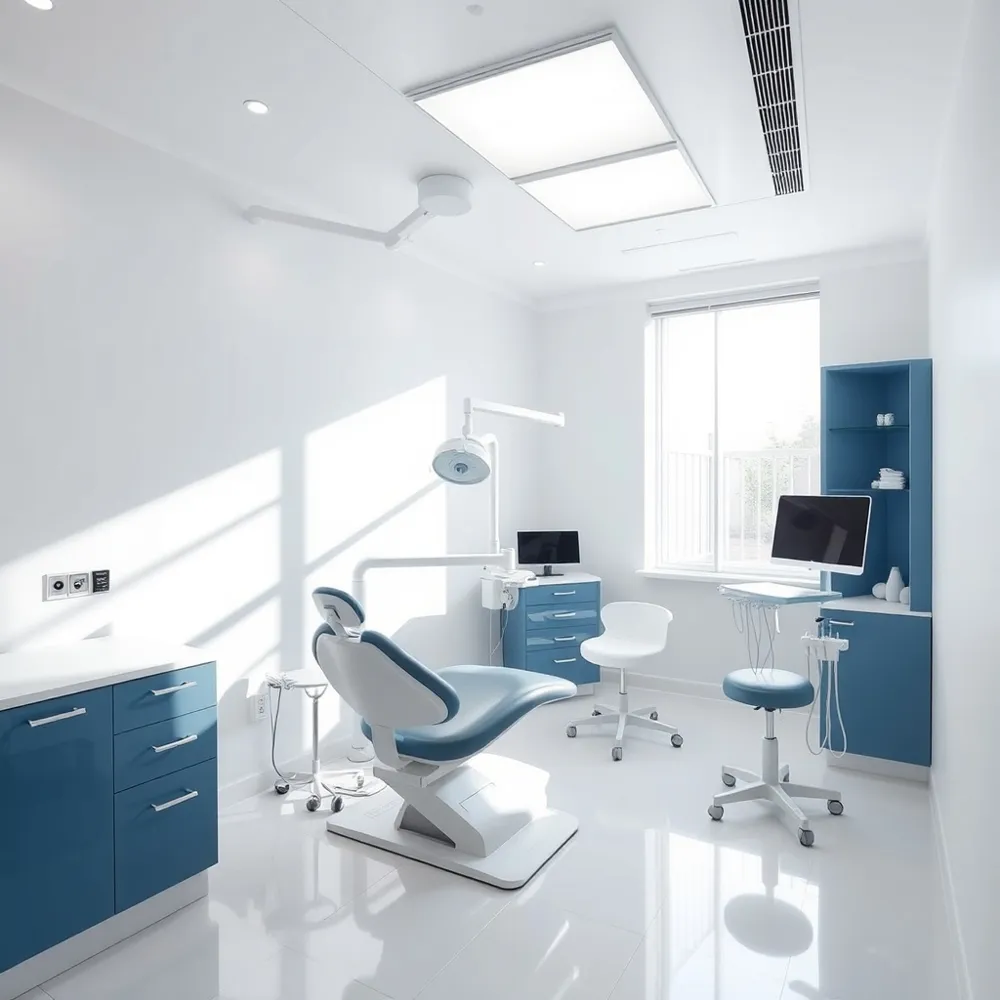 When sudden oral pain strikes, the natural inclination is to seek help at the nearest hospital emergency room. However, most emergency rooms are not equipped to resolve the root cause of dental issues. While medical staff can offer temporary relief through antibiotics or pain medication, they typically lack the specialized training and equipment to perform definitive restorative procedures, such as emergency root canals, precise extractions, or crown repairs.
A visit to the hospital should be strictly reserved for life-threatening complications, including uncontrolled bleeding, broken facial bones, or significant swelling that threatens your airway or ability to swallow. For all other urgent dental crises, your dentist remains the most qualified professional for clinical intervention. Choosing a dentist who offers same-day emergency dental care can treat the source of your pain rather than just masking the symptoms.
Per the American Dental Association, urgent dental treatment is vital to prevent future complications that arise when infections are left to spread through the jaw or systemic pathways as noted by the National Institutes of Health. Rather than waiting in a general hospital setting, contact a qualified dental provider for same-day care. They can perform the definitive treatment required to save your smile and prevent long-term health risks.
Immediate Steps for Knocked-Out Teeth and Soft Tissue Injuries
 Acting swiftly is the single most important factor in saving a knocked-out tooth. If you lose a permanent tooth, handle it only by the crown and avoid touching the root. Gently rinse the root with water and attempt to reinsert it into the socket if possible. If reinsertion is not feasible, keep the tooth moist by storing it in a container of milk or a cell growth medium like Save-a-Tooth. For the best chance of successful replantation, ensure you reach a dentist within 30 to 60 minutes.
Managing soft tissue injuries follows a similar principle of immediate intervention. Should you experience mouth bleeding, apply firm, steady pressure to the area using a moistened piece of gauze or a caffeinated tea bag. The tannins present in the tea help constrict blood vessels, and maintaining pressure for 15 to 20 minutes is typically sufficient to control minor bleeding. If you have broken a crown or filling, never attempt a repair with super glue. Instead, use a temporary dental cement or even a piece of sugarless gum to cover the area until you can visit our practice for same-day emergency dental care.
What steps should I take if I have a dental emergency on the weekend or after hours?
If you experience a dental emergency when our office is closed, your first step should be to call our practice’s emergency line for specific instructions. Be prepared to describe your symptoms, such as severe pain, uncontrollable bleeding, or facial swelling, so we can determine if you need immediate care. If you are experiencing a life-threatening emergency, such as a severe injury to the jaw or difficulty breathing, please dial 911 or visit the nearest emergency room immediately. While waiting to be seen, you can manage discomfort for issues like toothaches or broken teeth by rinsing with warm water and applying a cold compress to the affected area. Avoid placing pain medication directly against your gums, as this can cause chemical burns, and always keep any broken tooth fragments moist until you can be seen by a professional.
Managing Dental Pain: Safe Strategies and the 3-3-3 Rule
When sudden tooth pain strikes, managing discomfort at home requires cautious, temporary strategies while you wait for professional care at davidmmayerdmd.com. For immediate relief, a cold compress applied to the cheek can reduce swelling, and a warm saltwater rinse can help cleanse the area or draw pus to the surface. Some find comfort using small amounts of clove oil, though these home methods should never replace a clinical diagnosis.
When using over-the-counter medication, prioritize options like ibuprofen or acetaminophen. Never place aspirin or other painkillers directly against your gum tissue, as this often leads to dangerous chemical burns. Always consult with a healthcare professional before starting any regimen to ensure the medication is appropriate for your specific health history.
What is the 3-3-3 rule for managing dental pain?
The 3-3-3 rule serves as an informal, short-term strategy to manage inflammation while awaiting evaluation. It typically involves taking 600 mg of ibuprofen three times a day for no more than three days. While it can temporarily reduce swelling, it is not a cure. If you develop a fever, facial swelling, or difficulty swallowing, these are signs of severe infection that require immediate professional intervention at davidmmayerdmd.com.
Paying for Emergency Dental Care Without Insurance
Facing a dental emergency while lacking traditional insurance coverage can feel overwhelming, but financial barriers should not prevent you from seeking necessary help. The most effective first step is to communicate your financial concerns directly to your dental office. At davidmmayerdmd.com, our team works closely with patients to identify the best path toward treatment, ensuring you can manage expenses while receiving timely care.
Many dental practices offer flexible financing solutions including companies like CareCredit, Alphaeon, Sunbit, Affirm, or Cherry. These platforms provide manageable monthly payment plans that help spread the immediate cost of unexpected procedures. For those without insurance, inquiring about internal dental membership or discount plans can secure reduced rates on essential services. Furthermore, your practice may offer specific discounts for patients who are able to pay in full at the time of service.
When assessing eligibility for government-funded medical assistance, note that programs such as NJ FamilyCare may cover particular procedures, though coverage requires clinical justification. Addressing dental pain early is crucial for both your health and your wallet. Delaying treatment often causes minor issues to escalate into complex, more expensive cases that require extensive restoration work. By utilizing same-day emergency care, you can resolve acute problems before they evolve into costly long-term complications.
Preventing Future Dental Emergencies
Most dental crises are avoidable through careful planning and daily diligence. While St. Joseph's Health provides essential support for severe trauma in Paterson, taking steps at home significantly reduces your risk of needing urgent intervention. Consistency remains your best defense; daily brushing and flossing combined with regular check-ups at a practice like davidmmayerdmd.com allow for the detection of decay before it evolves into a painful abscess.
The American Dental Association identifies several lifestyle habits that contribute to preventable dental injuries. Protecting your smile involves several specific safety measures:
- Use custom-fitted mouthguards during sports to prevent knocked-out teeth and facial fractures.
- Stop using teeth as tools for opening packages or chewing hard substances like ice, which often cause cracks.
- Prioritize safety by wearing seatbelts and childproofing your home to minimize the risk of accidental falls.
- Address minor chips or cracks during routine visits rather than waiting for structural failure.
Early treatment of minor issues at davidmmayerdmd.com prevents the need for extensive restorative procedures later. By adopting these preventive habits, you protect your long-term oral health and avoid the disruption of unexpected dental emergencies.
You Don't Have to Suffer—Same-Day Help Is Here
Prompt professional intervention is the safest way to save a tooth and stop infections before they threaten your overall health. At davidmmayerdmd.com, our team leverages over 40 years of local clinical experience and state-of-the-art technology to provide same-day emergency dental care in Paterson, NJ.
We understand that oral trauma does not follow a business schedule. Our multilingual staff, fluent in English, Spanish, and Arabic, is dedicated to your comfort and helps address urgent needs without delay. Whether you require an extraction, root canal, or restoration, we offer flexible financing options to ensure financial barriers do not interfere with your care.
If you are in pain, do not wait for the situation to worsen. Contact our office today for professional guidance or to schedule an urgent appointment and return to your daily life with peace of mind.