The Evolution of Modern Restorative Dentistry
A dental crown is a custom-fitted cap designed to restore a damaged or decayed tooth to its original form and health. By covering the entire natural tooth from the gum line to the chewing surface, dental crowns provide essential structural support for teeth weakened by large fillings, fractures, or recent root canal therapy.
The field of restorative dentistry has progressed from methods requiring messy putty impressions and multiple office visits to advanced, single-day treatments. At davidmmayerdmd.com, we prioritize patient comfort by utilizing state-of-the-art digital scanning and milling technology that fabricates high-quality ceramic restorations while you wait. This modern approach replaces the need for temporary crowns, which are frequently prone to discomfort or breakage during the traditional two-week waiting period.
Beyond efficiency, these modern techniques improve the precision of the fit, which is fundamentally important for long-term health. By choosing advanced restorative options, patients receive custom-designed pieces that mimic the natural translucency of enamel, ensuring a result that is as aesthetic as it is functional.
Understanding Dental Crowns and Why They Are Recommended
 A dental crown serves as a custom-fitted cap designed to protect a damaged, cracked, or severely decayed tooth. By covering the entire visible portion of the tooth, these restorations restore both strength and normal function, effectively acting as a shield against further structural compromise. Beyond simple repair, crowns are essential for stabilizing teeth following root canal therapy, as the procedure can leave the remaining tooth structure brittle and susceptible to fracture.
What is the purpose of a dental crown, and why do dentists recommend them?
Dentists often recommend a crown when a tooth requires comprehensive support that a standard filling cannot provide. In addition to structural reinforcement, these restorations are vital components in modern restorative dentistry. They provide the necessary support for dental bridges and serve as the final aesthetic component for dental implants. Because a well-fit crown helps maintain the integrity of the underlying tooth, it is a proactive measure for long-term oral health.
Can dental crowns be used to improve the appearance of my smile?
Beyond their functional benefits, crowns are a powerful tool for cosmetic enhancement. Advanced materials are used to craft restorations that mimic the natural translucency and shade of your existing teeth. Whether you have deep discoloration, misshapen teeth, or minor structural imperfections, a crown can provide a uniform, healthy appearance. Unlike older dental techniques that might leave visible metal lines at the gum, modern approaches prioritize a seamless, lifelike result. By choosing a custom-designed restoration, you gain a solution that is as durable as it is aesthetically pleasing, ensuring your smile remains both vibrant and protected for years to come.
Innovation in Care: How Same Day Crowns Work
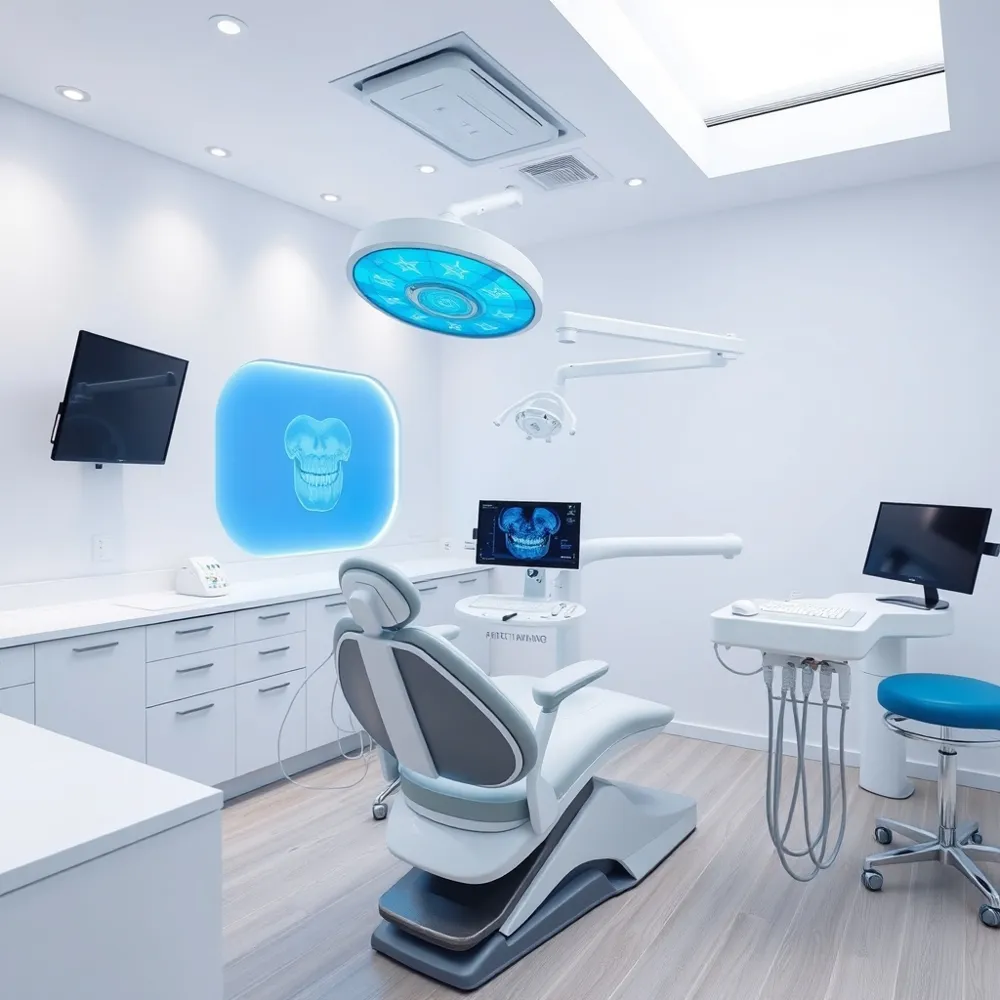 Modern dentistry has moved beyond traditional lab-fabricated restorations through the use of CEREC (Chairside Economical Restoration of Esthetic Ceramics) technology. This system integrates CAD/CAM (computer-aided design and manufacturing) to create precise, durable dental crowns in a single office visit. At davidmmayerdmd.com, our team utilizes these tools to bypass the traditional two-week wait for a permanent cap, which historically required a second appointment and temporary restorations. By contrast, traditional methods often involve messy, putty-based impressions that can be uncomfortable for patients, whereas our digital 3D scans ensure a highly accurate fit and an improved patient experience.
How do same-day (CEREC) crowns work, and how do they differ from traditional crowns?
The procedure begins with a digital scan of your tooth, creating a precise 3D model that replaces older plastic impression methods. This design data is sent to our in-office milling machine, which crafts a crown from high-quality, tooth-colored ceramic in roughly 15 to 30 minutes. While traditional crown procedures—often preferred by other practices for complex, multi-layered aesthetic cases—still rely on off-site laboratories, our same-day process restores your smile in one appointment of about two hours. This efficiency minimizes the time spent in the dental chair and eliminates the risk of breakage associated with temporary crowns.
Are there specific disadvantages to choosing same-day crowns over traditional methods?
While the speed and precision of digital fabrication make same-day crowns a popular choice, they are not universally applicable. Some complex clinical situations, such as certain bridges or cases requiring specialized custom ceramic layering for high-visibility front teeth, may still perform better with lab-fabricated restorations. Additionally, access to this technology is limited; while davidmmayerdmd.com provides on-site milling as part of our commitment to efficient care, many dental offices still rely exclusively on traditional, multi-visit models. Discussing your specific needs with your dentist helps determine which restoration path best supports your long-term tooth health.
Material Selection and Cost Considerations
The choice of material for a dental crown depends on the tooth location, aesthetic goals, and long-term durability needs. Common options include traditional gold alloys, porcelain-fused-to-metal (PFM), and advanced ceramic materials like zirconia. While gold is highly regarded for its precision and longevity, PFM crowns balance structural support with a natural aesthetic.
For patients considering biocompatibility, zirconia offers high strength and natural translucency while minimizing the risk of allergic reactions often associated with metal-based restorations. This material can help ensure your restoration integrates well with your smile.
Total treatment cost generally ranges from $800 to $3,000 per tooth, depending on the material selected, the complexity of prep work, and regional factors. While same-day crowns can reduce costs by eliminating temporary restorations and extra visits, the specific requirements of your case remain the strongest variable. Insurance providers typically classify crowns as restorative rather than cosmetic, often covering up to 50% of the procedure if it serves a medical necessity like protecting a fractured tooth.
| Material Type | Primary Benefit | Best Use Case |
|---|---|---|
| Gold Alloy | Superior lifespan | Back molars |
| PFM | Balanced structure | Standard restorations |
| Zirconia | High biocompatibility | Strength and aesthetics |
Ensuring a Positive Experience During the Procedure
 For most patients, receiving a dental crown is not a painful experience. Clinicians at davidmmayerdmd.com utilize local anesthesia to ensure the treatment area is completely numbed before the procedure begins, which effectively minimizes discomfort throughout the process. While you might feel a brief pinch during the initial numbing, our team is dedicated to your comfort and can provide sedation options if you feel nervous about your visit.
Does getting a dental crown involve pain?
It is completely normal to experience some mild sensitivity or temporary tenderness in the gums as your mouth heals. This is a common, short-term response per the Cleveland Clinic that typically resolves within a few days. During this time, patients often find that over-the-counter pain relievers effectively manage any residual discomfort, allowing for a smooth recovery and a quick return to a normal routine.
Can I eat normally immediately after receiving a crown?
Patients should wait for the local anesthesia to wear off fully before eating to avoid accidentally biting the tongue, cheeks, or lips. While our same-day restorations allow many to eat comfortably as soon as the numbing fades, we encourage initial caution. For the first few days, avoid hard, crunchy, or extremely sticky foods that could challenge the bonding of your new crowns.
- Prioritize soft, nutrient-dense foods like cooked vegetables, pasta, eggs, and yogurt during the first 48 hours.
- Avoid biting or chewing on ice, popcorn kernels, or taffy, which can compromise the integrity of any dental restoration.
- Maintain excellent oral hygiene by brushing carefully and using crown-friendly floss to keep the surrounding gum tissue healthy.
Longevity and Maintaining Your Dental Restoration
A dental crown serves as a durable investment in your smile's future. With proper care, these restorations typically last between 10 and 15 years, though many remain fully functional for much longer. Prioritizing consistent professional maintenance is essential for extending the life of your restoration.
How long can I expect a dental crown to last?
The lifespan of your crown depends on several factors, including the material used, the location of the tooth, and your daily habits. At davidmmayerdmd.com, we craft durable restorations designed for long-term health. To maximize your crown's longevity, avoid habits that introduce excessive force, such as chewing on ice or using your teeth as tools. If you struggle with bruxism (teeth grinding or clenching), we often recommend a custom night guard to prevent premature wear.
Is it possible for a tooth to continue decaying underneath an existing crown?
While a crown provides a robust shield, it is not immune to decay. Microscopic gaps at the margin, aging cement, or gum recession can eventually allow bacteria to reach the underlying natural tooth structure. Warning signs that your crown may require professional attention include persistent sensitivity, gum inflammation, or discomfort while biting. davidmmayerdmd.com utilizes high-quality ceramic to ensure a superior seal and fit, but even the best restorations require diligent brushing and daily flossing to prevent secondary decay. Regular exams ensure that any early signs of instability are addressed before they become complex issues.
Commitment to Long-Term Oral Health
Achieving an ideal balance between aesthetic appeal and structural durability is the hallmark of modern dental crowns. While various materials exist to handle specific biting forces and visual needs, the primary goal remains restoring the natural function and health of your smile.
At our full-service practice in Paterson, NJ, we focus on professional assessment to determine the most effective restoration path for your unique dental anatomy. Our team uses precision technology to ensure each crown integrates seamlessly with your existing tooth structure.
Prioritizing consistent oral hygiene and regular checkups significantly impacts how long your restoration lasts. By staying diligent with cleanings and professional exams, you protect your investment and maintain the long-term health of your teeth.