A New Era for Straightening Teeth
Cost is a major factor when choosing between SureSmile aligners and traditional braces. Most dental insurance plans apply orthodontic benefits to both treatment types, but you may need to check your specific policy. For those without coverage, many practices offer flexible payment plans. According to SureSmile's cost resources, the total investment depends on the case complexity and the number of aligners needed. Before committing, a detailed consultation can provide an accurate estimate.
Aligners and Braces at a Glance
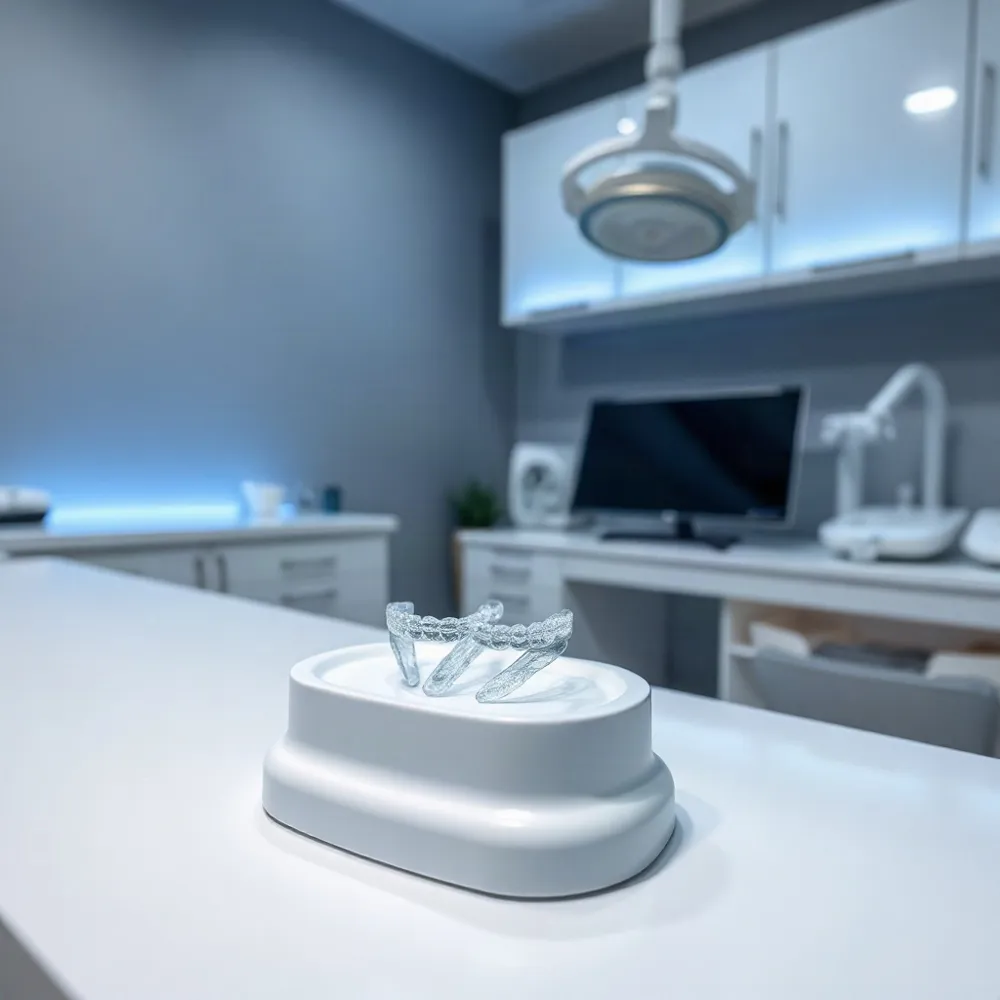 Choosing between clear aligners and traditional braces usually comes down to three factors: appearance, comfort, and how much control you want over your daily routine. Clear aligners use a series of custom-fit plastic trays to gradually shift your teeth, while traditional braces rely on brackets and wires. Each approach has its own strengths, and the right choice often depends on your lifestyle and the complexity of your case.
Clear aligners are removable, which makes brushing and flossing easier and lets you eat your favorite foods without restriction. Traditional braces are fixed, so they cannot be removed until treatment ends. This can make oral hygiene more challenging, but braces excel at correcting severe crowding, bite problems, and other complex issues.
How Clear Aligners Work
Clear aligners like SureSmile are made from a BPA-free, custom-fit plastic tray that you wear over your teeth. Every two weeks or so, you switch to a new tray that applies gentle, controlled pressure, gradually moving your teeth into place. Because the aligners are removable, you can take them out for meals and brushing, just as with SureSmile aligners. This also means there are no broken brackets or emergency visits for poking wires.
That said, aligners demand discipline. You need to wear them for 20 to 22 hours per day, only removing them to eat, drink anything other than water, and brush. If you forget to wear them, your treatment may take longer. But for adults and teens who can commit, aligners offer a nearly invisible correction path that fits into a busy schedule.
How Traditional Braces Work
Traditional braces use metal or ceramic brackets bonded to each tooth, connected by an archwire. The orthodontist periodically tightens that wire to guide the teeth into alignment. Because the brackets are fixed, they apply continuous pressure around the clock, which can make them very effective for complex tooth movement and severe misalignment.
However, the fixed design brings some trade-offs. Food gets caught around the brackets, making thorough cleaning harder and increasing the risk of enamel stains if you are not diligent. You will also need to avoid hard, sticky, or crunchy foods that could bend wires or loosen brackets. While this can be an adjustment, modern braces are smaller and more comfortable than in past decades.
Comparing Aligners vs. Braces
Appearance. Clear aligners are virtually invisible, while metal braces are obvious. Ceramic braces offer a less visible option but are still noticeable.
Comfort. Aligners have smooth plastic edges and no wires that irritate the cheeks or gums. Braces often cause soreness after adjustments, and the wires can poke.
Oral hygiene. Since aligners are removable, you can brush and floss normally. Braces require special brushes and floss threaders to clean around brackets and wires.
Dietary freedom. You can eat anything with aligners because they come out for meals. Braces restrict hard, sticky, and chewy foods to prevent damage.
Effectiveness. Braces handle severe cases with precision, while aligners work best for milder to moderate misalignment. Complex movements may still need braces.
Responsibility. Aligners need 20 to 22 hours of daily wear and are your responsibility. Braces are fixed, so they are always working, even if you forget.
Both options can straighten your teeth, but they suit different priorities. If a discreet, comfortable, and removable solution sounds appealing, clear aligners such as SureSmile aligners are a strong option. If your case is complex or you tend to be less disciplined, traditional braces may be the safer route.
At our Paterson, NJ practice, we evaluate each patient individually. With over 40 years of experience and a compassionate, multilingual team, we will help you decide which approach fits your smile and your life. Whether you are considering clear aligners or have more complex needs that may require braces, we are here to guide you every step of the way.
Comfort and Daily Experience
 The sensory experience of an orthodontic appliance is where many people feel the difference almost immediately. Traditional metal braces rely on brackets bonded to each tooth, connected by a wire that is periodically tightened. That hardware sits against the inside of your cheeks and lips, and until the soft tissues acclimate, sore spots and ulcers are common.
Clear aligners like SureSmile are made from smooth, custom‑fitted BPA‑free plastic that lacks the sharp edges and protruding brackets of their metal counterparts. For a more direct comparison of the tactile advantages, the Pros and Cons of Clear Aligners vs Traditional Braces guide explains how the absence of metal can reduce cheek irritation. If you are weighing comfort options, you might also want to review Clear Aligners vs Metal Braces: Who's the Winner? for a deeper look at the day‑to‑day experience.
Because SureSmile aligners are removable, you can pop them out for meals, brushing, and flossing—something you can't do with fixed braces. This not only improves your oral hygiene during treatment, but also means fewer food restrictions. The SureSmile treatment journey guide notes that both aligners and braces generally work faster than older orthodontic approaches, with clear aligners typically being more comfortable from the start.
Smooth Plastic vs. Metal Brackets: The Daily Experience
Comfort is not just about the first week. Throughout your entire treatment, your mouth adapts to the appliance. With metal braces, the brackets and wires can cause persistent abrasions on your cheeks and tongue, especially after adjustments. Clear aligners, on the other hand, are made of a smooth, polished material that gently hugs your teeth. The SureSmile vs. Traditional Braces comparison highlights how this smooth design minimizes soft‑tissue irritation.
Moreover, the ability to remove the aligners for cleaning means you can maintain a more normal brushing and flossing routine, which is difficult with braces. The clear aligners vs. traditional braces guide points out that while metal braces can trap food and plaque, aligners let you brush and floss normally. For patients concerned about comfort, this combination of smooth materials and easy maintenance often tips the scale.
If you're deciding between SureSmile and Invisalign, the comfort story is similar, though each system has its own nuances. Both use smooth plastic, but SureSmile aligners are known for their precise fit and gentle pressure. A comprehensive comparison of clear aligner options can help you understand which might feel best for your specific bite.
Comfort Beyond the First Week
Many patients worry that clear aligners will be just as uncomfortable as braces once they start moving teeth. In reality, the pressure from aligners is more evenly distributed across the tooth surface, which can reduce the sharp, throbbing pain that often accompanies bracket adjustments. The SureSmile treatment journey explains that while you may feel pressure when switching to a new aligner, it's typically much more tolerable than the pain from tightening metal wires. Plus, because you can remove the aligners, you have the option to take them out briefly to give your mouth a break if needed.
Another comfort factor is the absence of emergency visits for broken brackets or poking wires. With traditional braces, a stray wire can scratch your cheek and require an urgent trip to the orthodontist. Clear aligners, being plastic and removable, largely eliminate this concern. The SureSmile vs. Traditional Braces pros and cons article points out that this peace of mind is a significant advantage for busy adults and active teens.
| Aspect | SureSmile Aligners | Traditional Braces |
|---|---|---|
| Material | Smooth, BPA‑free plastic | Metal brackets & wires |
| Mouth irritation | Minimal, no sharp edges | Frequent sores, ulcers |
| Removability | Yes, for eating/cleaning | No, fixed until removal |
| Maintenance | Easy brushing/flossing | Difficult to clean around brackets |
| Pressure sensation | Even, gentle force | Spotty, sometimes sharp pain |
Lifestyle Freedom and Discipline
 Choosing between clear aligners and traditional braces often comes down to more than just appearance. The two approaches differ meaningfully in how they move teeth, how much they disrupt daily life, and what they demand from the person wearing them. Understanding these differences is the first step toward a treatment that fits your routine, not the other way around.
What Are Clear Aligners?
Clear aligners are removable, transparent trays that are custom‑molded to fit snugly over your teeth. Each tray applies gentle, controlled pressure to shift teeth into their ideal positions over time. Because they are nearly invisible, they are a popular choice for adults and teens who want to straighten their teeth without the look of metal brackets. Clear aligners like the SureSmile system are designed for comfort and flexibility, which is one reason they have gained traction in recent years.
How Do Traditional Braces Work?
Traditional braces use a system of metal brackets bonded to the front of each tooth, connected by an archwire that is periodically tightened. This hardware works continuously to guide teeth into alignment over a period that, for complex cases, can last a year or more. Unlike aligners, braces are fixed in place; you cannot remove them for eating or cleaning, which means the treatment is always working but demands more careful oral hygiene around the brackets and wires.
Key Differences at a Glance
A few practical differences tend to come up most often when patients weigh aligners against braces.
Appearance. Clear aligners are transparent and discreet, while metal braces are visible on the teeth. For people who speak in front of clients or teach daily, the aesthetic advantage of aligners is often decisive. A 2024 brush-up on metal braces vs. clear aligners notes that aligners win on looks for most adults.
Removability. Aligners are removable for meals and brushing, which makes maintaining oral health easier and removes most food restrictions. Metal braces are fixed, so you must avoid hard, sticky, or crunchy foods that could damage the hardware. The ability to take aligners out is a big part of their appeal for patients who don’t want to change their eating habits; as SureSmile treatment guidelines point out, aligners allow for normal brushing, flossing, and even the use of whitening products.
Durability. Fixed braces are quite sturdy because they are bonded to the teeth; they cannot be lost or broken by accident. Aligners, by contrast, are removable and can be lost or damaged if not cared for properly. However, aligner trays are replaceable, and most treatment plans include backup trays to cover such mishaps.
Comfort. The clear plastic of aligners lacks the sharp ends of wires and brackets, so many patients find them more comfortable from the start. Metal braces can irritate the inside of the cheeks and lips, especially in the first few weeks as the mouth adjusts. That said, the initial pressure from a new aligner is still noticeable; the difference is that it comes from smooth plastic rather than pointed hardware.
Treatment Time. Aligners often work faster than traditional braces for many cases. A typical SureSmile aligns treatment runs from six months to about a year and a half, depending on complexity, whereas braces usually take a similar or longer window. The removable nature of aligners also means you can change your own trays at home, which can shorten total treatment time by reducing the number of in‑office visits.
Cost. Price is often a deciding factor. In general, clear aligners tend to be comparable to or slightly more expensive than metal braces, though the gap has narrowed as aligner technology has improved. Many practices offer payment plans, making either option accessible. For a detailed breakdown, SureSmile treatment costs provide a starting point, and your dentist can give a personalized estimate.
The Trade‑Offs That Matter Most
The biggest trade‑off is compliance. Clear aligners only work if you wear them for the recommended 20 to 22 hours per day. Removing them means your teeth can shift, so the treatment depends on your discipline. With braces, there is no such concern; the hardware is always active, which is reassuring for patients who worry they might forget to wear their aligners. On the other hand, aligners let you eat popcorn, apples, and other foods that are off‑limits with braces, which is why many patients prefer them for lifestyle freedom.
Oral hygiene is another key differentiator. With aligners, you brush and floss normally and then simply pop the trays back in. With braces, you have to navigate around brackets and wires, which can make it harder to reach every surface. Poor hygiene around braces can lead to white spots on teeth after removal, a problem that is much less likely with aligners because they are removed for cleaning.
Which One Fits Your Life?
The right choice depends on your priorities. If you value discretion, comfort, and the freedom to eat what you like without worrying about breaking brackets, clear aligners like SureSmile offer a straightforward path to a straighter smile. If you prefer a no‑fuss option that doesn’t rely on your remembering to wear it, traditional braces might be the more dependable route. Many patients, especially teenagers, benefit from the structure of braces; others thrive with the flexibility of aligners. A consultation with your dentist can help you weigh these factors based on the complexity of your case and your daily habits.
Choosing the Right Path for Your Smile
Ultimately, both aligners and braces can correct crooked teeth, close gaps, and fix bite issues. The question is which approach you can commit to. If you are ready to explore which option suits your dental needs and lifestyle, schedule a consultation with David M. Mayer, DMD, in Paterson, NJ, to discuss your treatment plan and find the most comfortable, effective way to achieve the smile you want.
Oral Hygiene and Food Choices
One of the most common questions patients ask when comparing SureSmile aligners and traditional braces is how either option will change their everyday life. The answer depends largely on whether the appliance is removable and how easily you can keep both your teeth and the device clean. Understanding these differences helps you choose an option that fits your personality, your schedule, and your comfort level.
Comfort. Traditional braces use metal brackets and wires that can irritate the inside of your cheeks and lips, especially in the first few weeks. SureSmile aligners are made from smooth, BPA-free plastic that sits flush against your teeth, minimizing soft-tissue irritation from the start.
Removability. Clear aligners from SureSmile can be taken out for meals, brushing, and flossing. Traditional braces are fixed in place for the entire treatment, which means you cannot remove them to make cleaning easier or to enjoy certain foods.
Because SureSmile aligners are removable, daily habits like eating and cleaning require only a small adjustment. You do not need to avoid popcorn, apples, or corn on the cob, and you can brush and floss normally after each meal. This makes oral hygiene more straightforward and reduces the risk of white spot lesions and gum inflammation during treatment. For a closer look at how this affects your food choices, see how SureSmile aligners reduce food restrictions compared to metal braces.
Traditional braces, in contrast, require you to sidestep sticky, hard, or crunchy foods that could bend a wire or loosen a bracket. You also need to use special brushes and floss threaders to clean around brackets and wires. While these steps become routine with time, they add a layer of effort that you do not face with removable aligners.
Oral Hygiene Made Simpler
Keeping your teeth and gums healthy during orthodontic treatment is vital, and the appliance you choose plays a big role in how easy that is. With SureSmile aligners, you brush and floss exactly as you would without them, because you take the aligners out. You also clean the aligners themselves, which helps prevent plaque accumulation and bad breath. This approach is gentler on your enamel and significantly lowers the chance of developing decay around the brackets that are common with fixed braces.
For patients who value convenience, this simplicity can be a deciding factor. Many people find that they can maintain their usual oral care routine without extra tools or modifications. If you want to learn more about the daily experience, the guide to your SureSmile treatment journey covers what to expect at each step, from initial consultation to final retainer.
Comfort and Lifestyle Benefits
Beyond cleaning, the comfort of your appliance affects how easily you adapt. SureSmile aligners are custom-fitted to your teeth, so they tend to stay comfortable throughout the day. Traditional braces can feel bulky and may require periodic tightening, which can cause temporary soreness. However, clear aligners are not without their own adjustments, especially when you switch to a new set.
From a lifestyle perspective, being able to remove your aligners means you can attend social events, make a presentation, or enjoy a meal without worrying about food getting stuck in brackets. Your speech may also adjust quickly, though some patients notice a slight lisp in the first few days. For a detailed comparison of comfort between aligners and braces, the Pros and Cons of Clear Aligners vs Traditional Braces guide offers a balanced view.
Appointments. SureSmile treatment typically requires check-ups every 4 to 6 weeks to monitor progress and provide your next set of aligners. Traditional braces often require more frequent visits, usually every 4 to 8 weeks, for adjustments and wire changes.
Visible Results. With clear aligners, you can see your teeth shifting gradually, which many patients find motivating. Traditional braces also show progress, but they may require more pro-active tracking because brackets and wires can obscure the movement at first glance.
Another consideration is the total duration of treatment. SureSmile aligners often complete the job in a similar or slightly shorter time than traditional braces for many cases, depending on the complexity of your bite. A complete guide to your SureSmile treatment journey explains how treatment time is estimated and what you can do to stay on track. Throughout, your orthodontist in Paterson collaborates closely with SureSmile’s technology to ensure your plan is precise and efficient.
Which Option Fits Your Life?
Ultimately, the best choice comes down to your priorities. If you want the convenience of removable appliances, easier cleaning, and fewer food restrictions, SureSmile aligners stand out as the more lifestyle-friendly option. If you prefer not to manage the responsibility of removing and inserting aligners throughout the day, or if your case is extremely severe, traditional braces may still be appropriate. Speaking with an experienced orthodontist is the most reliable way to determine which treatment aligns with your dental and personal needs.
At David M. Mayer DMD, we take the time to understand your goals and recommend the treatment that best balances effectiveness, comfort, and convenience. Whether you are leaning toward SureSmile aligners or traditional braces, we help you make an informed decision in a supportive, multilingual environment.
| Aspect | SureSmile Aligners | Traditional Braces |
|---|---|---|
| Removability | Yes | No |
| Cleaning | Easy | Requires extra tools |
| Food restrictions | Minimal | Many |
| Comfort | Smooth plastic | Metal can irritate |
| Visits | Every 4-6 weeks | Every 4-8 weeks |
Results and Treatment Complexity
Deciding between clear aligners and traditional braces is one of the most common questions we hear at David M. Mayer, DMD in Paterson, NJ. Both approaches can straighten teeth effectively, but they differ in comfort, aesthetics, treatment time, and the kinds of cases they can handle. Understanding those differences is the first step toward choosing the right path for your smile.
How Clear Aligners Work
Clear aligners like SureSmile use a series of custom‑made, removable plastic trays that gradually shift your teeth. Because they are nearly invisible and can be taken out for eating, brushing, and flossing, many adults find them more convenient and discreet. For minor to moderate crowding or spacing, clear aligners can deliver excellent results with fewer office visits and typically faster treatment times than traditional metal braces.
Research comparing clear aligners to braces shows both can effectively correct a wide range of issues, but the choice often comes down to case complexity. A comparative study highlights that aligners handle many common cases well, while certain complex movements may still be better suited to traditional appliances.
How Traditional Braces Work
Traditional metal braces use brackets and wires that are fixed to your teeth and gradually adjusted to apply controlled force. This approach gives orthodontists precise control over tooth movement, making it a go‑to option for severe crowding, bite problems, and cases requiring significant tooth rotation or vertical movement. Braces are always working, so they don't rely on patient compliance for progress.
Comparing Treatment Experience and Outcomes
When we compare the two, we look at several factors: aesthetics, comfort, oral hygiene, and treatment complexity. Clear aligners win on appearance and cleanability, but they require discipline to wear 20–22 hours a day. Braces are more visible and can make brushing and flossing trickier, but they afford our team greater control over difficult movements. According to the American Association of Orthodontists, clear aligners and fixed braces each have pros and cons, and the best fit depends on your goals and your orthodontist's recommendation.
Aesthetics. Clear aligners are nearly invisible, while metal braces are clearly noticeable.
Removability. Aligners can be removed for eating and cleaning; braces are fixed for the entire treatment.
Comfort. Aligners are smooth plastic; braces have brackets that may irritate gums and cheeks.
Complexity. Braces apply more force and are better at severe rotations and bite corrections.
Oral Hygiene. Removable aligners permit normal brushing and flossing; braces require extra effort to keep clean.
| Factor | Clear Aligners | Traditional Braces |
|---|---|---|
| Appearance | Nearly invisible | Very visible |
| Removability | Removable | Fixed |
| Comfort | Smooth plastic | Brackets can irritate |
| Treatment Control | Good for mild to moderate | Excellent for severe cases |
| Oral Hygiene | Easier to brush and floss | Requires extra cleaning effort |
At David M. Mayer, DMD, we'll assess your specific needs and recommend the most effective, comfortable option. For some, that's clear aligners; for others, traditional braces deliver the best long‑term result. Either way, we're here to guide you through every step.
Considering the Costs
The cost of orthodontic treatment depends on several factors, including the complexity of your case, your location, and the specific provider you choose. Traditional braces typically range from $2,500 to $7,000, while clear aligners like SureSmile generally fall between $3,500 and $8,000. Many dental insurance plans cover a portion of orthodontic treatment for both options.
A direct comparison of whether SureSmile is generally cheaper than Invisalign is not available from the provided sources. Treatment costs vary significantly based on individual needs and the provider's pricing structure. At davidmmayerdmd.com, patients receive a personalized consultation that includes a detailed cost breakdown, ensuring transparency about all fees involved.
Several factors can influence the final price. Case severity plays a major role — mild to moderate misalignment typically costs less to treat than complex bite issues or severe crowding. The length of treatment also matters, as longer treatment may require more aligners or adjustments. Additionally, the geographic location of the dental practice and the experience of the provider can affect pricing.
Beyond the initial cost, consider potential additional expenses. Clear aligners may incur replacement costs if trays are lost or damaged, while traditional braces might require more frequent in-office visits for adjustments. Many practices offer payment plans or financing options, and using FSA or HSA funds can reduce out-of-pocket expenses by 20-30%. A thorough consultation with your dentist is the best way to get an accurate estimate for your specific situation.
Making the Right Choice for Your Smile
Choosing between SureSmile aligners and traditional braces depends on your specific orthodontic needs, lifestyle, and personal goals. Clear aligners offer a discreet, comfortable path with fewer dietary restrictions, while metal braces remain highly effective for complex malocclusions and require no daily compliance.
A thorough consultation with an orthodontist or dentist is the most reliable way to determine which approach fits your treatment goals, oral health, and budget. At davidmmayerdmd.com, patients receive a personalized assessment and a clear treatment plan tailored to their unique smile.