Why a Crown May Be Your Best Option
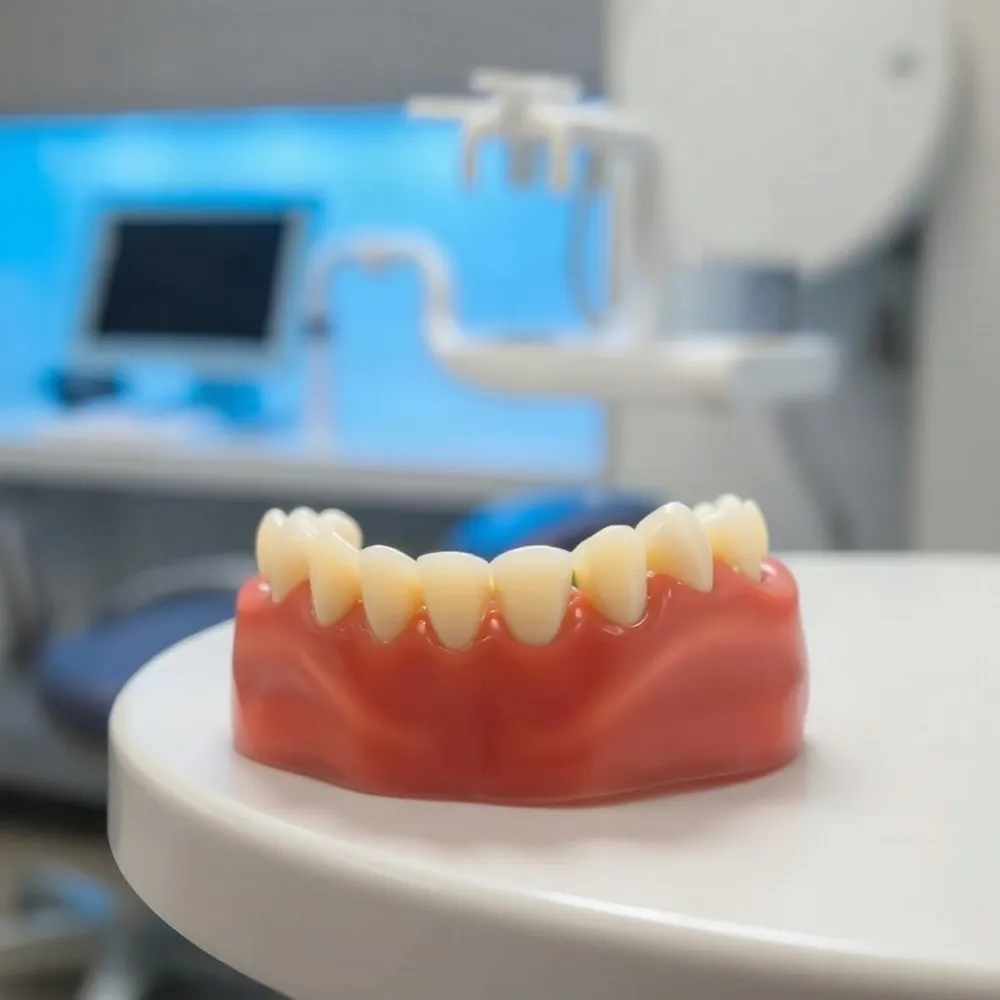
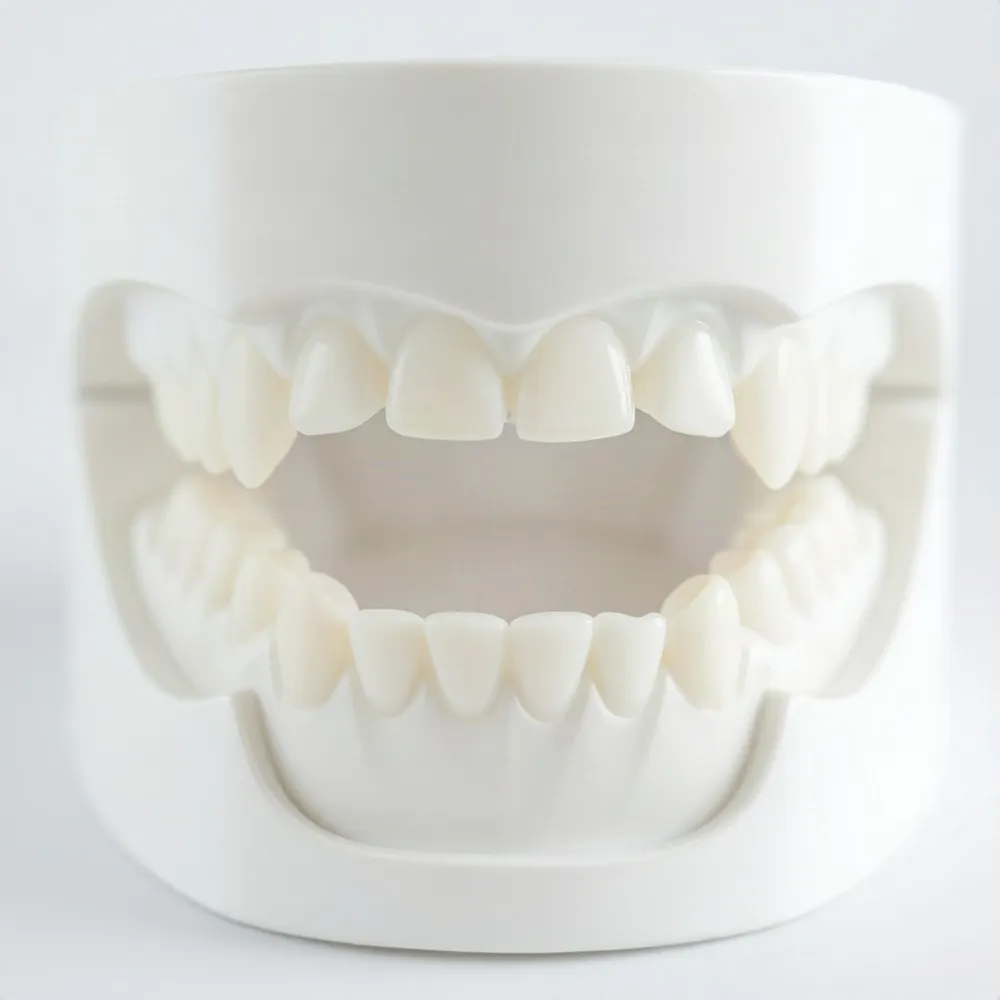
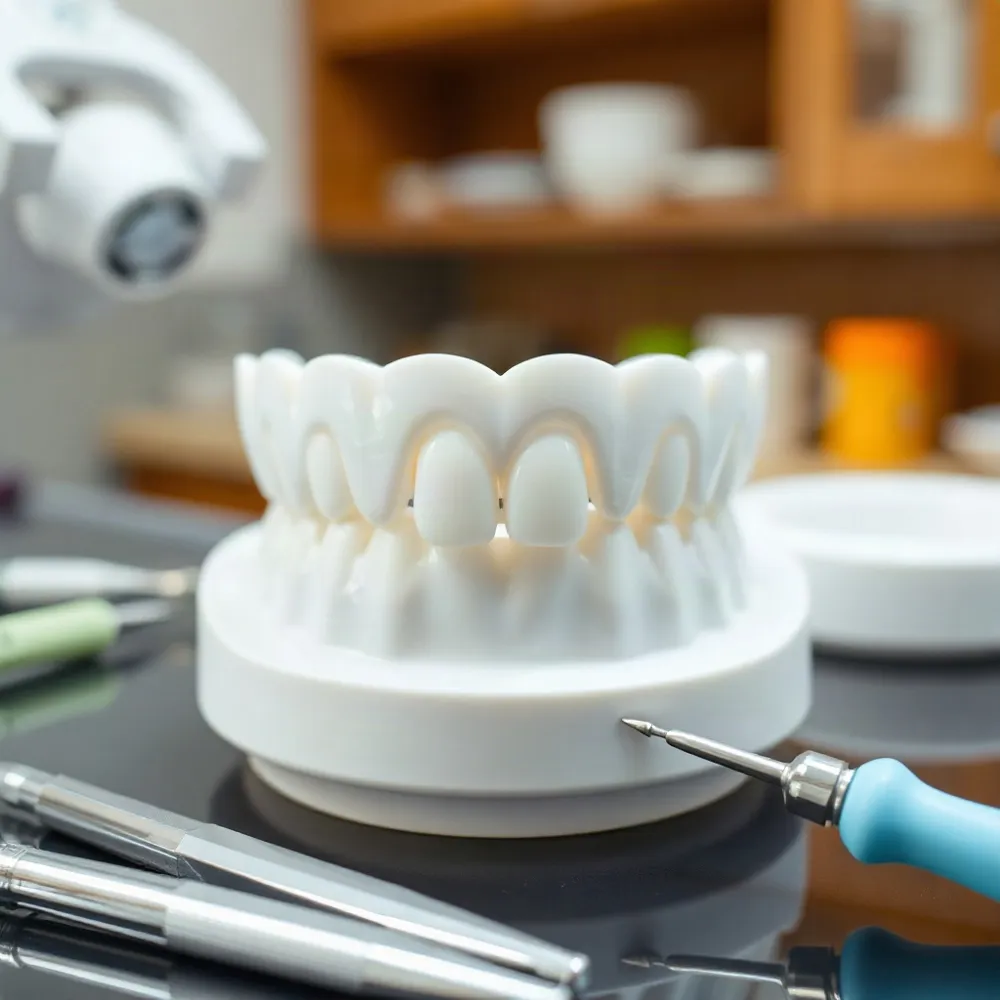
When a tooth is damaged, the choice between a crown and a filling comes down to how much healthy structure remains. Fillings work well for small cavities, but when decay or a crack affects a large portion of the tooth, a filling may not provide enough support. A dental crown acts as a protective cap, restoring the tooth’s shape and strength while shielding it from further harm.
What Is a Dental Crown and When Is It Needed?
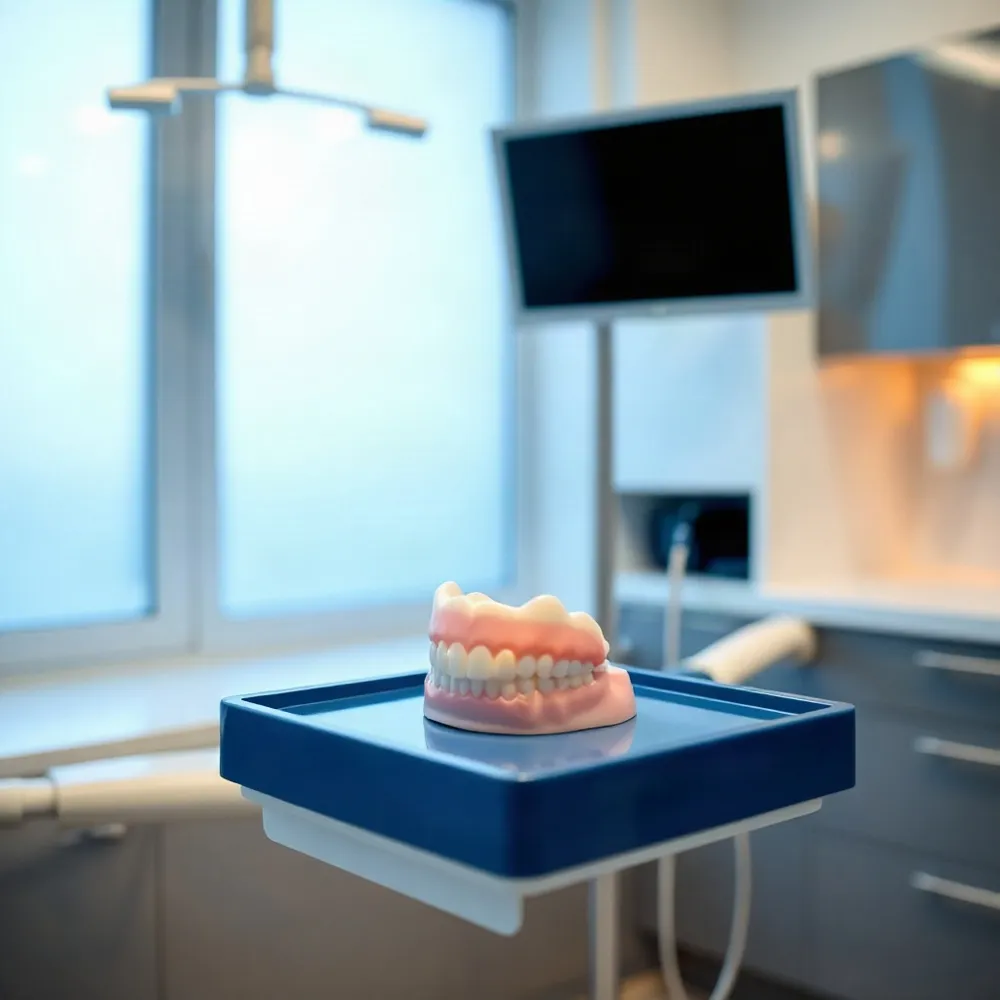 A dental crown is a custom tooth-shaped cap that fits over your entire tooth to restore its shape, size, strength, and appearance. Unlike a filling, which only repairs a small area, a crown encases the entire visible portion of the tooth above the gum line, providing complete coverage and protection.
Common Indications for a Crown
Protecting Weak Teeth. Crowns are used to protect and support teeth that are weak, cracked, broken, or severely worn down. If a large portion of the tooth structure is missing, a filling cannot hold the tooth together, but a crown can.
After Root Canal Treatment. A tooth that has undergone a root canal becomes more brittle and is at a higher risk of fracturing. Placing a crown over it provides the necessary structural support and helps prevent the tooth from breaking under chewing pressure.
Restoring Severe Decay. When decay or damage is too extensive for a filling to be effective, a crown is needed to restore the tooth's function and integrity. This is often the case when a tooth has had multiple fillings or a large cavity.
Bridges and Implants. Crowns are also used to hold a dental bridge in place, covering a dental implant, or to improve the appearance of a tooth that is severely discolored or misshapen.
Persistent sensitivity to hot or cold temperatures can also be an indication that a crown is needed. The crown shields the underlying tooth from external stimuli, helping to restore comfort.
At davidmmayerdmd.com, the team assesses each patient's unique needs to determine if a crown is the ideal solution to restore both function and your confident smile.
When a Filling Is No Longer Enough
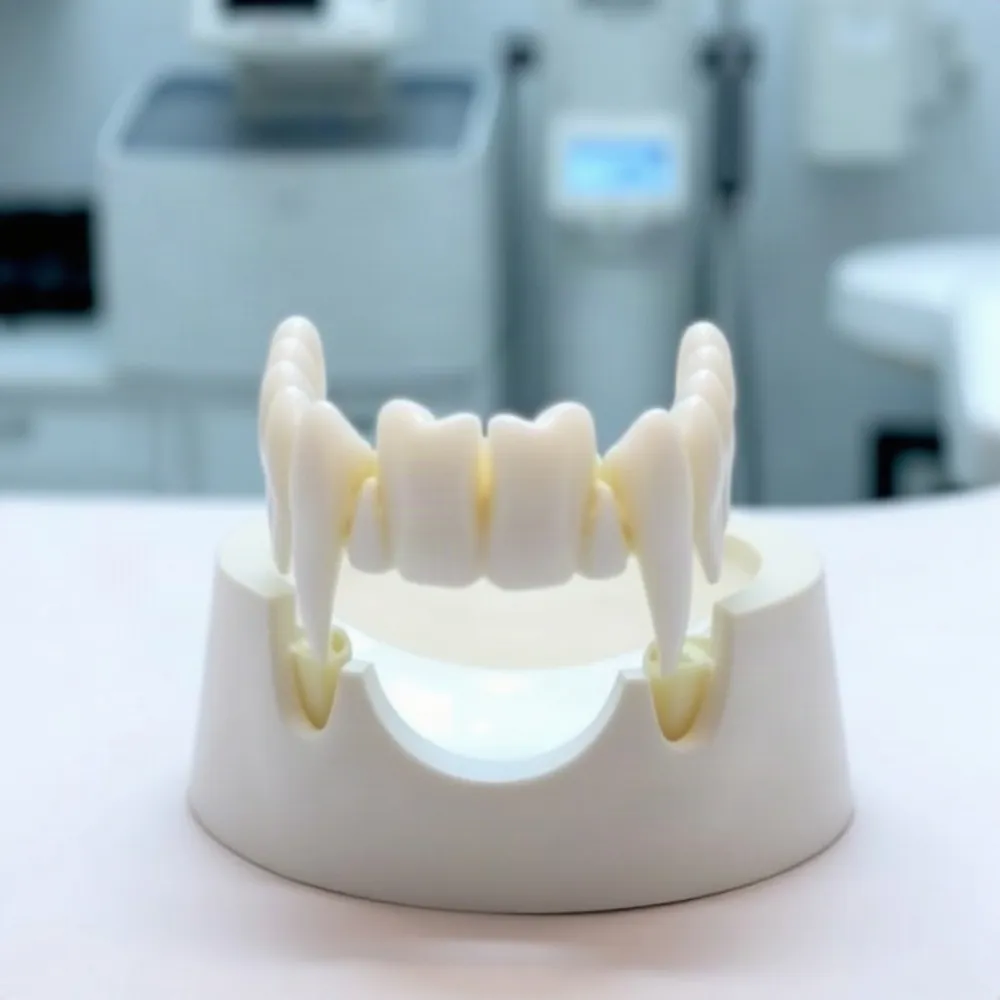 Dental fillings work well for small to moderate cavities where most of the natural tooth structure remains healthy. The filling material restores the decayed area while the surrounding enamel and dentin continue to support normal chewing forces. However, when the damage reaches a certain threshold, a simple filling can no longer hold the tooth together.
A crown becomes necessary when more than 50% of the tooth's structure is compromised. At this point, the remaining tooth is too weak to support a filling securely, and the risk of the tooth fracturing under bite pressure grows significantly. A crown caps the entire visible portion of the tooth, protecting it from splitting and distributing chewing forces evenly across the tooth and dental crown.
Several common scenarios push a tooth past the point where a filling is adequate. A large cavity that has destroyed most of the natural crown, multiple old fillings that leave little solid tissue, visible cracks that threaten to propagate, and teeth that have undergone root canal therapy (which become brittle and prone to fracture) all call for crown coverage rather than another filling. Severe wear from grinding or acid erosion, and a large existing restoration that has failed, are also strong indicators.
Waiting too long to move from a filling to a crown can lead to further breakage, pain, and even the loss of the tooth. Your dentist will evaluate the extent of decay, the number and size of existing restorations, and the presence of any cracks to determine whether a crown is needed. With over 40 years of experience in restorative dentistry, davidmmayerdmd.com can help you identify when a tooth has reached the point where only full coverage will preserve it.
Why a Dentist Recommends a Crown Over a Filling
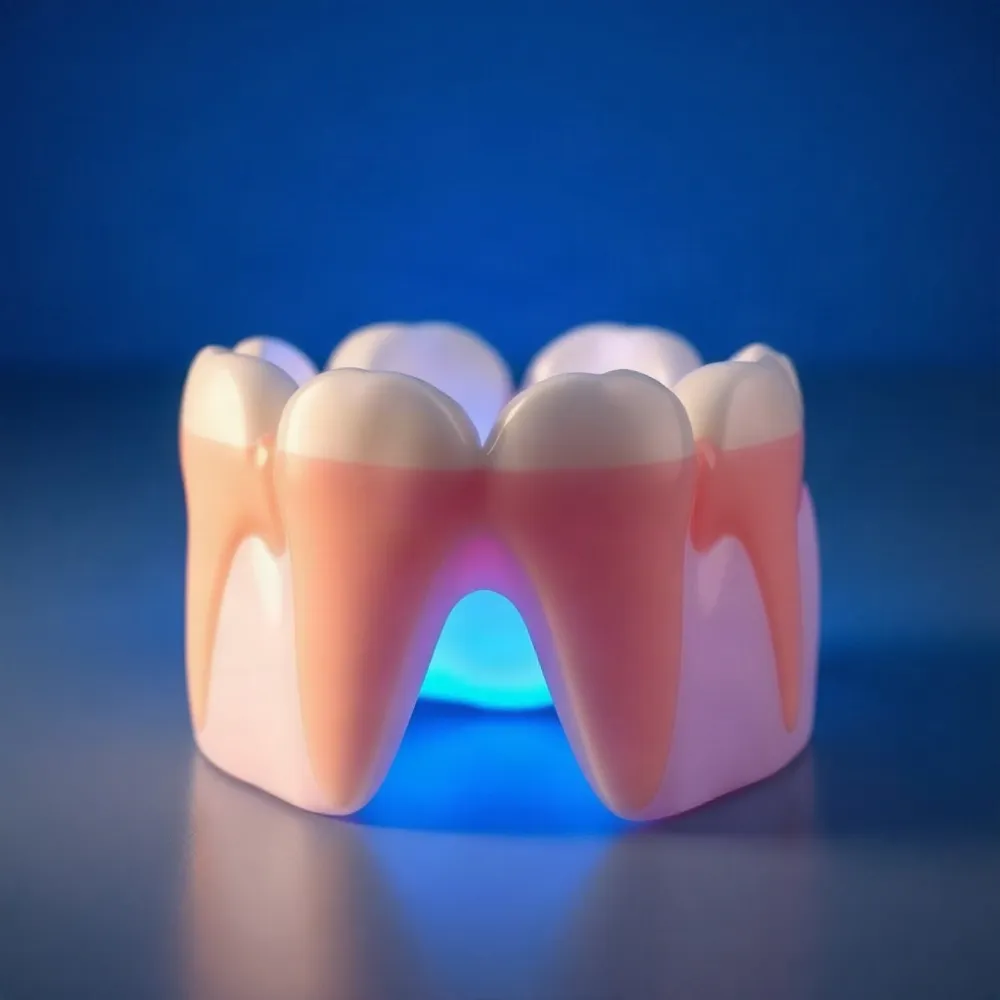 When a tooth has lost a significant amount of its natural structure, a simple filling may no longer be a safe option. A filling merely plugs a cavity, but it does not reinforce the remaining tooth walls. In contrast, a dental crown encases the entire visible portion of the tooth, distributing chewing forces evenly across the surface. This full-coverage design prevents the tooth from splitting, a risk that occurs when a large filling acts as a wedge under bite pressure.
Durability is another strong factor. Fillings typically last 5 to 10 years, depending on material and location, while crowns can last 10 to 15 years or more with good care. The longer lifespan makes a crown a more cost-effective solution for a tooth that already shows extensive damage or has undergone a root canal, which leaves the tooth brittle and prone to fracture without full coverage.
A crown also provides a stronger seal against bacteria at the margin between the restoration and the gum line. This seal reduces the chance of recurrent decay, a common problem that leads to filling failure. Because a crown covers the entire tooth, it protects the underlying structure from further damage and can preserve a tooth that might otherwise be lost.
The team at davidmmayerdmd.com evaluates each patient's remaining tooth structure, crack patterns, and bite forces before making a recommendation. With over 40 years of experience, they can determine when a crown is needed to safeguard the tooth long-term. In cases of extensive decay, a crack, or after root canal therapy, a crown is not simply a better option — it is often the only restorative choice that can keep the tooth functional and avoid extraction.
Crown Versus Filling Versus Root Canal
These three treatments are often mentioned together, but each addresses a different level of tooth damage. A filling repairs a small cavity by replacing the decayed portion with a material such as composite resin or amalgam. A crown covers the entire visible part of the tooth above the gum line, restoring strength and shape when the damage is too extensive for a filling. A root canal removes infected or exposed pulp from inside the tooth to relieve pain and prevent extraction.
It is a common misunderstanding that a root canal is automatically required before placing a crown. In reality, a root canal is only needed when the pulp (the nerve and blood vessels inside the tooth) is infected, inflamed, or exposed. If the pulp remains healthy, the crown can be placed directly on the prepared tooth. A dentist will assess the tooth's condition thoroughly before recommending either procedure.
When a root canal is performed, the treated tooth becomes more brittle because the pulp — which supplies moisture and nutrients — has been removed. For this reason, a crown is almost always recommended after a root canal to protect the tooth from fracturing under normal chewing forces. A filling alone does not provide the full-coverage support that a post-root-canal tooth needs.
The right treatment depends on how deep the decay or damage goes. A small cavity caught early may only need a simple filling. But once decay reaches the inner pulp or a crack threatens the tooth's structure, a root canal, a crown, or both become necessary. At davidmmayerdmd.com, the team evaluates each patient's specific situation — including the extent of damage, tooth location, and overall oral health — to recommend the most suitable option.
Filling. Repairs small to moderate decay by filling a cleaned cavity in a single visit. Suitable when most of the natural tooth remains intact.
Crown. A custom cap covering the entire visible portion of the tooth. Needed for large cavities, cracks, or after a root canal. Usually requires two visits.
Root Canal. Removes infected or exposed pulp from within the tooth to save it from extraction. Afterwards, a crown is typically needed to protect the now-brittle structure.
Types of Crowns and Typical Costs
Dental crowns are crafted from a variety of materials, each offering a different balance of strength, appearance, and cost. The right choice for your tooth depends on its location in your mouth, how much bite pressure it endures, and your aesthetic goals. Dentists typically consider the following options when planning a crown restoration.
Porcelain and all-ceramic crowns, including modern zirconia, provide the most natural tooth-like translucency, making them ideal for front teeth. All-ceramic materials are also gentle on opposing teeth and suitable for patients with metal allergies.
Metal crowns—made from gold or base metal alloys—are extremely durable and require minimal enamel removal, which makes them a strong, long-lasting choice for molars. A porcelain-fused-to-metal (PFM) crown combines the strength of a metal core with a tooth-colored outer layer, offering a natural look with excellent durability.
All-resin crowns are a more affordable option but are less durable and prone to fracture, so they are often used for temporary restorations or in cases where cost is the primary concern.
Cost Ranges and Insurance Coverage
The cost of a crown varies by material and location. Porcelain and all-ceramic crowns generally fall between $800 and $3,500. Metal crowns range from $600 to $2,500, while PFM crowns are priced similarly to porcelain options. A fee of around $2,000 is within the typical average for a quality porcelain or ceramic crown, especially when factoring in exam fees, digital imaging, and the fabrication process.
Private dental insurance usually covers roughly 50% of the cost of a crown. To confirm your out-of-pocket expense, check your plan’s specifics before proceeding. The team at davidmmayerdmd.com can help you review your insurance benefits and discuss payment options to ensure you receive the crown material best suited to your tooth’s needs.
| Crown Type | Durability | Best For | Typical Cost Range |
|---|---|---|---|
| Porcelain / Ceramic | High | Front teeth (aesthetics) | $800 – $3,500 |
| Zirconia | Very High | Front or back teeth | $1,000 – $3,000 |
| Metal (gold/base alloy) | Very High | Molars (strength) | $600 – $2,500 |
| Porcelain-fused-to-metal | High | All-purpose | $800 – $3,500 |
| All-resin | Moderate | Budget / temporary use | $400 – $600 |
Disadvantages and Longevity of Crowns
While crowns offer the strongest protection for a damaged tooth, the decision involves weighing several downsides. The most significant is that the procedure requires irreversible filing down of the natural tooth structure. Some patients also experience temporary sensitivity or gum discomfort after placement.
Even though a crown itself is made of porcelain or ceramic and cannot decay, the natural tooth underneath remains vulnerable. Bacteria can seep in through micro-gaps at the crown margin, leading to decay if oral hygiene is poor. This process can happen silently, which is why regular checkups and x-rays are essential for early detection.
A well-maintained dental crown typically lasts between 5 to 15 years, though some can last 25 to 30 years with excellent care. The lifespan depends on the material used, daily oral care habits, and whether you grind or clench your teeth. At davidmmayerdmd.com, the dental team helps patients maximize longevity by recommending custom nightguards for grinding and monitoring the crown's fit during routine exams. To extend the life of your restoration, brush and floss daily, avoid chewing on hard objects like ice, and schedule regular professional cleanings.
Recognizing When It’s Time for a Crown
The clearest sign that a crown is needed is a large, failing filling that no longer supports the tooth. When more than half of the tooth's biting surface is filled or the restoration is cracked, the remaining natural structure becomes too weak to withstand normal chewing forces.
A cracked or fractured tooth is another strong indicator. Even small cracks can propagate under pressure, eventually splitting the tooth. Placing a dental crown early helps hold the tooth together and prevents the need for extraction.
Teeth that have undergone root canal treatment become more brittle and are prone to fracture. A crown provides the full-coverage protection these teeth need. Severe wear from grinding, acid erosion, or clenching also exposes the tooth to further damage, and a crown restores both function and appearance.
Cosmetic concerns are a valid reason as well. Crowns can be used to improve the shape and color of a misshapen or stained tooth. At davidmmayerdmd.com, the team evaluates the remaining tooth structure, the extent of decay, and the tooth’s location to determine if a crown is the best solution for your needs.
Acting early is important. A small cavity caught during a routine checkup can often be treated with a simple filling, but if left untreated, the decay can progress and require a crown or even a root canal. Regular exams allow the dentist to spot problems before they become emergencies, saving you pain, time, and expense.
Timely treatment preserves the tooth and avoids more extensive procedures later. If you notice any of the signs described here, schedule an evaluation promptly. The longer you wait, the greater the risk of the tooth fracturing beyond repair.
Your Smile Deserves the Right Care
When a tooth is too damaged for a filling to hold, a crown offers the strength and protection needed to keep it functional for years. The best way to determine the right choice is through a professional evaluation with a dentist who can assess the extent of damage and recommend the most effective restoration.