The Evolution of Restorative Dentistry
Modern dentistry has transitioned from manual, multi-step procedures toward precision-based digital workflows. This shift reflects a broader focus on reducing patient chair time while maintaining high standards for functional restoration. Where traditional restorative care frequently required multiple visits spread over several weeks, today’s landscape emphasizes technology-driven solutions that prioritize both efficiency and aesthetic outcomes.
At davidmmayerdmd.com, we combine over 40 years of experience with state-of-the-art tools to bridge this gap. By utilizing digital advancements, we remove the need for uncomfortable traditional impression trays and prolonged waiting periods for custom dental work. This approach allows our team to address everything from routine repairs to complex restorations with a clear commitment to patient accessibility and comfort.
Patients often find that replacing manual fabrication with digital design leads to more predictable and durable results. By integrating these tools into our practice, we ensure that your dental health remains the central focus, providing you with a seamless and reliable experience that respects your daily schedule.
Understanding Same-Day Crown Technology and Workflow
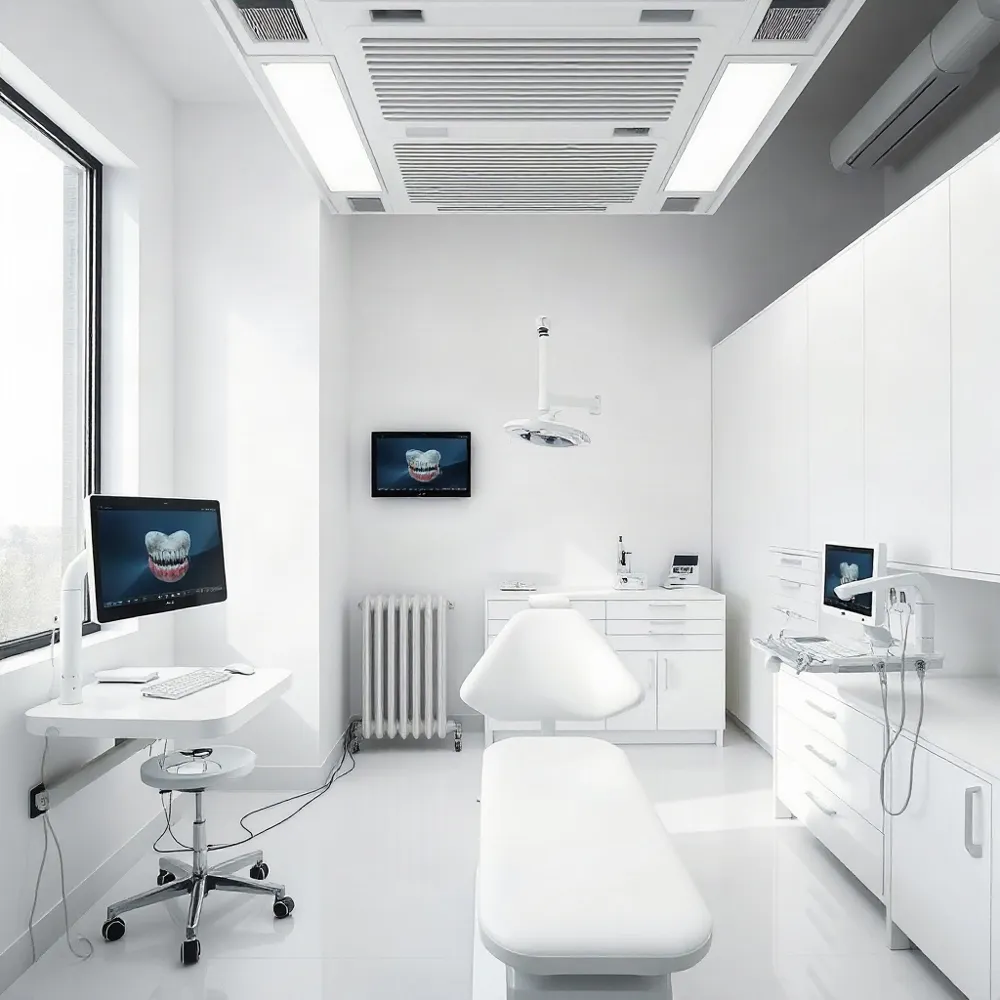
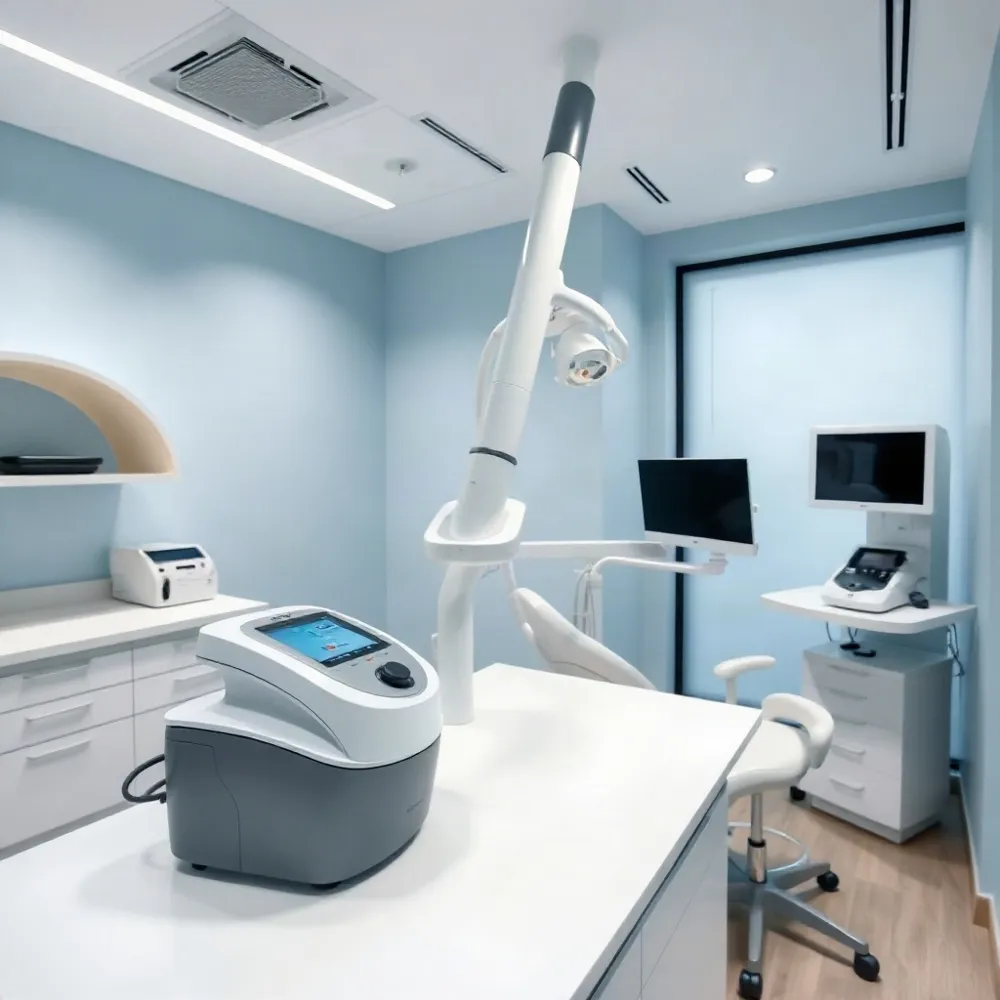 A same-day dental crown is a restorative treatment that allows you to receive a permanent, custom-fitted crown in a single office visit. At davidmmayerdmd.com, we use CEREC (Chairside Economical Restoration of Esthetic Ceramics) technology to streamline the restorative process. The journey begins with a quick, comfortable digital scan of your tooth using an intraoral scanner, which eliminates the need for messy traditional impression putty. This digital 3D model allows our team to design your crown with high precision, ensuring it blends seamlessly with your natural smile.
Once designed, the data is sent to our on-site milling unit, which uses CAD/CAM (computer-aided design and manufacturing) technology to sculpt your permanent crown from a high-quality, durable block of ceramic. This entire fabrication process typically takes less than 20 minutes. Because we produce the restoration in our office, you avoid the multiple-week waiting period common with traditional lab-fabricated crowns. This efficient workflow also means you skip the need for temporary crowns, which are prone to dislodging, breaking, or causing sensitivity while you wait for a final restoration.
Is the dental crown procedure painful?
Getting a dental crown is generally a comfortable, virtually pain-free experience thanks to modern dental techniques and the use of local anesthesia. Before the procedure begins, your dentist will numb the area to ensure you remain comfortable during tooth preparation. You may feel some gentle pressure or vibrations, but these are part of the normal process of preparing the tooth surface for the crown. While some patients might experience mild sensitivity once the anesthesia wears off, this is typically short-lived and manageable.
By prioritizing patient care and utilizing advanced technology, our team ensures your visit is as efficient and stress-free as possible. The approach at davidmmayerdmd.com centers on providing a single-visit solution that minimizes your time away from daily routines.
Clinical Indications and Material Science
Why might a dentist recommend a dental crown?
A dentist may recommend a dental crown, often referred to as a cap, when a tooth has sustained significant damage from decay, fractures, or excessive wear that compromises its ability to withstand normal chewing forces. Typically, if the structural loss from a cavity or break exceeds half the width of the tooth, a crown is necessary to restore its integrity and prevent further complications. These custom-made restorations are also essential for strengthening teeth that have undergone root canal therapy, as such teeth can become brittle and prone to fracture. Furthermore, crowns help seal out bacteria, protecting teeth with deep decay from further infection. By providing essential support and coverage, dental crowns preserve the natural tooth function and help prevent potential issues like misaligned bites or permanent tooth loss.
What materials are used for same-day crowns?
Same-day crowns are typically crafted from high-quality, tooth-colored ceramic or zirconia blocks. At davidmmayerdmd.com, we select these advanced materials for their strength, durability, and ability to mimic the natural appearance of teeth. Because these crowns are milled in-office using CAD/CAM technology, we utilize these precise, biocompatible materials to ensure a restoration that is both functional and aesthetically pleasing. While traditional lab-made crowns may offer a wider range of material options like gold or porcelain-fused-to-metal, the specialized ceramic blocks used for our same-day procedures provide an excellent balance of longevity and natural beauty. This ensures that your restoration is not only completed in a single visit but also integrates seamlessly with your existing smile.
Same-Day Versus Traditional Laboratory Crowns
Selecting the right dental restoration involves understanding the differences between modern digital workflows and conventional fabrication methods. At davidmmayerdmd.com, we prioritize efficient solutions that minimize disruption to your daily life, such as our advanced in-office milling technology.
How do same-day crowns compare to traditional crowns?
Same-day crowns utilize advanced CAD/CAM technology to design and mill your restoration in a single appointment, effectively eliminating the need for temporary crowns and multiple visits. In contrast, traditional crowns are custom-crafted in a dental laboratory, a process that typically requires two to three visits over the course of a few weeks. While same-day crowns provide unmatched convenience and require less tooth preparation, traditional crowns often offer a wider variety of materials and greater customization for complex dental cases. Both options are highly durable and designed to restore the function and appearance of your teeth. Ultimately, the best choice depends on your specific dental health needs, aesthetic goals, and timeline, which our compassionate team at davidmmayerdmd.com can help you evaluate during a consultation.
Precision is another major differentiator. Traditional methods often rely on physical impression trays, which can be uncomfortable and prone to minor distortions. Digital workflows used for same-day restorations capture accurate 3D images, resulting in a fit that is often more precise than manual methods. While some traditional dental labs may still be preferred for complex multi-unit cases or specific metal-alloy requirements, most routine restorative needs are now effectively met through same-day technology.
| Feature | Same-Day Crowns | Traditional Crowns |
|---|---|---|
| Office Visits | One | Two or more |
| Impressions | Digital 3D Scan | Physical Putty |
| Temp Crown | Not needed | Required |
Durability and Longevity Expectations
 Modern same-day crowns, often created using CEREC technology, offer a level of durability and precision comparable to traditional laboratory-fabricated crowns. These restorations are crafted from high-quality ceramic, which provides an optimal balance of strength, natural aesthetics, and biocompatibility to withstand the daily forces of biting and chewing.
Are same-day crowns as durable as traditional crowns?
Because they are designed using precise 3D digital imaging, they often achieve a more accurate fit than traditional putty impressions, reducing the risk of gaps or misalignment. On average, these crowns last 10 to 15 years, and with diligent oral hygiene and regular professional care, their longevity can extend even further. At davidmmayerdmd.com, we emphasize that while some lab-made materials like porcelain-fused-to-metal may offer specific structural advantages for extreme bite forces, most patients find that the longevity of in-office ceramic restorations meets or exceeds their functional needs.
Crowns, whether fabricated in a lab or via in-office milling, require consistent maintenance to remain viable. A failure to brush and floss regularly increases the risk of recurrent decay at the margin where the crown meets the tooth. Our team at davidmmayerdmd.com works with patients to ensure that the bite alignment is optimized during the initial placement, which is a significant factor in preventing premature wear on the restoration itself. By combining state-of-the-art digital tools with a commitment to patient education, we help you secure a restoration that supports long-term oral health.
Cost Considerations and Clinical Limitations
Understanding the financial and clinical variables of restorative dentistry is essential for making informed decisions about your oral health. While same-day procedures offer unparalleled efficiency, factors such as material strength and individual structural requirements remain the primary determinants in choosing the right path for your specific needs.
What are the typical costs associated with dental crowns?
In the United States, the cost of a dental crown typically ranges from $800 to $3,000 per tooth, depending primarily on the materials used and your geographic location. Common material options include all-porcelain or ceramic, porcelain-fused-to-metal, gold, and zirconia, each offering varying levels of durability and aesthetic appeal. Beyond the crown itself, the final price may be influenced by the dentist's expertise and the necessity for preparatory procedures like root canals or core build-ups. While costs vary, most dental insurance plans consider crowns a major restorative procedure and often cover approximately 50% of the total expense. We encourage you to schedule a consultation at our office, where we can provide a personalized treatment plan and a clear estimate tailored to your specific oral health needs.
What are the potential disadvantages of same-day crowns?
While same-day crowns offer significant convenience, they may not be the ideal solution for every clinical situation. A primary consideration is that same-day crowns are typically milled from ceramic materials, which may offer less durability or versatility than traditional lab-fabricated options that utilize porcelain-fused-to-metal or other high-strength alloys. Because of these material limitations, they are often less suitable for complex bridge work or cases requiring extreme bite force resistance. Additionally, some patients with specific aesthetic goals may find that lab-customized crowns provide a more nuanced color match and artistic finish. Your dentist will evaluate your unique oral health needs to determine whether a same-day restoration is the most appropriate and long-lasting choice for your smile.
Making the Right Choice for Your Dental Health
For residents in Paterson, NJ, opting for crowns provides a blend of modern efficiency and restorative quality. Whether you require emergency dental care or routine care, our practice offers personalized, expert solutions tailored to your unique needs. We encourage you to schedule a consultation to discuss which restorative approach best aligns with your long-term oral health goals.