Recognizing the Urgency of Intense Dental Discomfort
Tooth pain often serves as a critical warning sign that an underlying oral health condition requires immediate attention. While some minor discomfort may stem from temporary gum irritation or food debris, persistent or intense pain frequently indicates deeper issues like cavities, dental abscesses, or structural damage. Neglecting these signals can allow infections to progress, potentially leading to severe complications that require more extensive and costly procedures than if caught early.
Seeking professional guidance at davidmmayerdmd.com is essential when pain becomes unmanageable. Unlike general hospital emergency rooms that may only offer temporary relief, a dedicated dental practice can perform the necessary X-rays and clinical examinations to identify the true source of your discomfort. Many other providers may require a wait for an appointment, but our practice prioritizes Same-Day Emergency Dental Care to stop infections from spreading to the brain or bloodstream, as noted by Harvard Health.
Identifying the Roots of Sudden Toothache Pain
 Sudden, severe tooth pain serves as a critical indicator that your oral health requires immediate professional investigation. At davidmmayerdmd.com, our team frequently diagnoses these incidents as stemming from pulpitis, which occurs when the dental pulp—the soft tissue containing nerves and blood vessels—becomes inflamed due to deep cavities or decay. While over-the-counter medication may offer temporary relief, these symptoms often point to structural failures, such as loose or damaged fillings that expose sensitive dentin to oral bacteria.
What are the common causes of sudden, severe tooth pain or a toothache?
Sudden, severe tooth pain is often caused by inflammation of the dental pulp, which can stem from deep cavities, tooth decay, or loose and broken fillings. Structural issues such as a cracked or fractured tooth—even those too small to see—can also trigger significant discomfort. Gum-related conditions, including periodontal disease or infections like a periodontal abscess, frequently result in throbbing pain and swelling. Additionally, bruxism (teeth grinding) can place excessive pressure on nerves, while non-dental factors like sinusitis or issues with the jaw joint can sometimes mimic a toothache. Because these symptoms can quickly escalate, it is essential to seek a professional evaluation to diagnose the specific underlying cause and prevent further complications.
It is important to distinguish between dental and non-dental origins. Sinus infections often create pressure in the upper jaw, mimicking the symptoms of a decayed molar, whereas temporomandibular joint issues frequently present as dull, radiating pain across the face. At davidmmayerdmd.com, we utilize advanced diagnostics to determine whether your discomfort originates from an infection or external stress, ensuring that you receive targeted treatment rather than a temporary fix. Unlike general urgent care facilities that may only provide antibiotics, our practice offers comprehensive emergency dental services to address the mechanical or infectious root of the pain.
| Origin | Common Symptom | Clinical Focus |
|---|---|---|
| Pulpal | Throbbing | Root Canal/Fillings |
| Structural | Sharp Pain | Crowns/Bonding |
| Gum/Abscess | Deep Swelling | Drainage/Therapy |
| Non-Dental | Dull/Radiating | TMD/Sinus Management |
Understanding the Dangers of Pulpal Necrosis
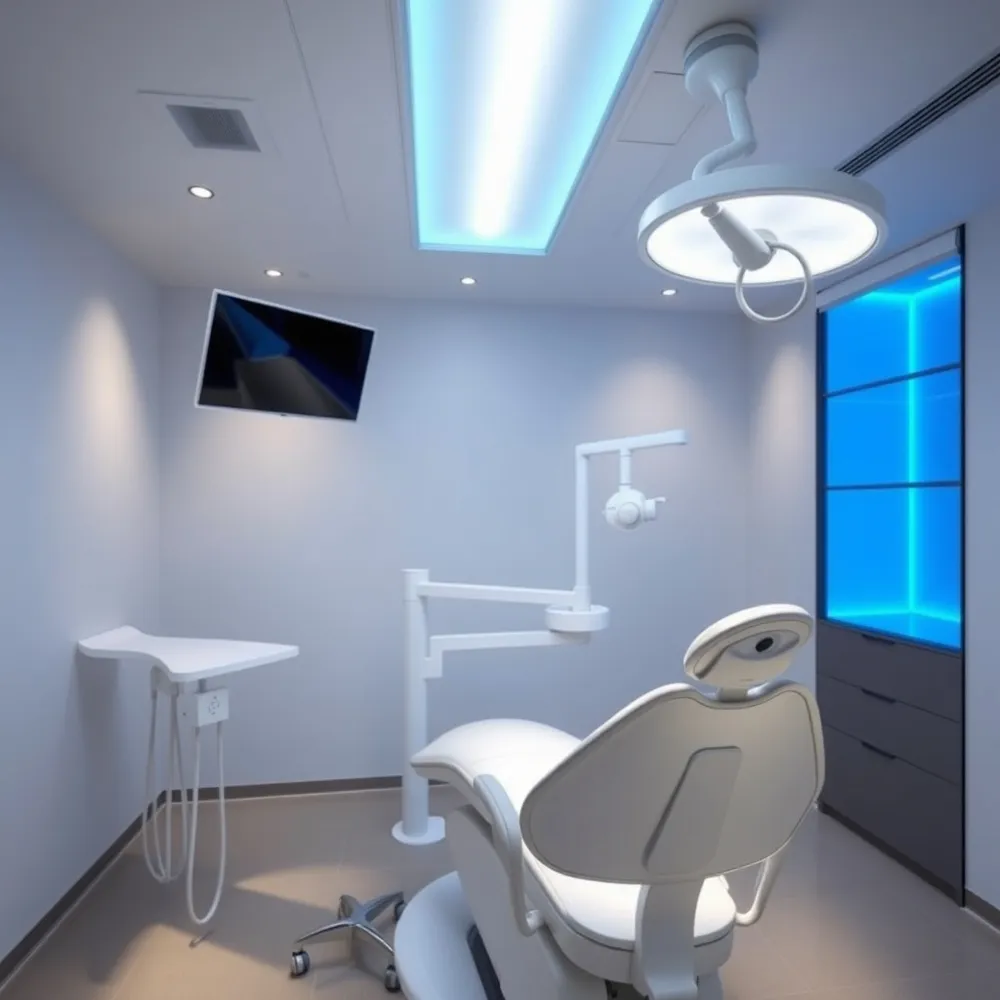 A stage 2 tooth infection, often referred to as pulpal necrosis, occurs when the innermost layer of the tooth containing vital nerves and blood vessels becomes compromised and dies. Unlike minor irritation that may resolve with self-care, pulpal necrosis indicates that the tooth structure is failing, creating a reservoir for bacteria to multiply.
Patients typically experience severe, throbbing pain, heightened sensitivity to temperature, and a persistent foul taste in the mouth. This stage is particularly dangerous because, without immediate professional intervention, the infection can progress beyond the root and form a painful, pus-filled abscess in the surrounding gum tissue or jawbone.
Once an infection reaches this level, it can spread to other parts of the body, potentially leading to serious systemic health risks as pathogens enter the bloodstream. While some local urgent care facilities may offer antibiotics to manage symptoms, they are not equipped for definitive procedures like root canals or extractions. At davidmmayerdmd.com, we prioritize same-day diagnosis and clinical intervention to halt the progression of decay before it causes bone loss or systemic complications.
If you suspect you have an infection, seeking emergency dental care is essential to protect your tooth and your overall well-being. Leaving these symptoms unaddressed risks the integrity of your entire oral cavity, often leading to more expensive and invasive treatments than if the condition had been identified during an early clinical exam.
Safe Temporary Relief While Awaiting Professional Care
 While awaiting professional attention, you can manage discomfort with proven methods that prioritize safety and tissue health. A warm saltwater rinse helps reduce inflammation and can clear debris that may be causing irritation, while a cold compress applied to the outside of your cheek for 20-minute intervals effectively numbs pain and limits swelling. These methods offer temporary reprieve but never treat the underlying condition, such as a deep cavity or abscess, which requires a clinical examination.
Over-the-counter pain relievers, including ibuprofen or acetaminophen, are helpful for controlling symptoms. However, they only mask pain rather than solving the source of the issue. It is critical to never place aspirin directly on gum tissue, as this practice frequently causes chemical burns and further tissue damage. Additionally, avoid DIY hacks such as using super glue to fix broken crowns or bridges. Professional restorative tools are required for durable, safe repairs.
Are home remedies effective for managing unbearable tooth pain?
Home remedies, such as saltwater rinses, cold compresses, or clove oil, can provide temporary relief by reducing inflammation and numbing discomfort, but they are not a substitute for professional dental care. These methods are designed only to manage symptoms until you can be seen by a dentist and do not address the root cause of your pain. Unbearable tooth pain often indicates a serious condition, such as an infection, abscess, or deep decay, which requires immediate diagnostic evaluation and treatment. Please avoid placing pain relievers directly against your gums, as this can cause tissue damage. If you are experiencing persistent or severe pain, contact our Same-Day Emergency Dental Care in Paterson, NJ practice promptly so we can provide the professional care needed to resolve your discomfort safely and effectively.
- Avoid benzocaine-based products for children under 2 years old, as these are linked to a serious condition called methemoglobinemia per the Mayo Clinic.
- Steer clear of extremely hot, cold, or sugary foods, which can trigger sharp nerve sensitivity in exposed dentin.
- Use a soft-bristled toothbrush and avoid flossing directly against an inflamed or bleeding gum area.
- Always seek help for symptoms like fever or swelling, which can indicate that a dental abscess is spreading.
When to Choose the ER Versus Your Dentist
Deciding where to seek help during a dental crisis is a critical step in managing your health. For most instances of severe tooth pain, you should contact your dentist immediately rather than heading to the emergency room. Emergency departments are generally not equipped to perform restorative procedures, meaning they cannot provide definitive treatments like extractions or root canal therapy. Instead, hospital staff are typically limited to offering temporary symptom management, such as prescribing antibiotics or pain medication, which does not resolve the underlying dental issue.
If you are struggling to find relief, a same-day dental emergency appointment can address the root cause of your discomfort more effectively than an urgent care center or general hospital. While standard emergency rooms are often restricted in their scope, dental professionals are equipped to diagnose and stabilize urgent conditions, ranging from dental abscesses to severe fractures, in a clinical environment.
Certain symptoms require immediate medical intervention beyond a dental office. You should seek emergency care at the nearest hospital, or contact local emergency services, if you experience significant facial swelling that impacts your ability to breathe, swallow, or speak, as these indicate a life-threatening infection. Per the NHS, this level of systemic involvement represents an emergency where immediate medical support is essential. Harvard Health also notes that sudden, sharp neck and lower jaw pain can sometimes signal a cardiac event, necessitating an immediate call to 911.
Establishing a consistent relationship with your dentist remains a valuable strategy for your long-term health. When you face an urgent situation, reaching out to your known provider first allows for better triaging of your needs. If you cannot reach your regular office, professional guidance can help you determine if an urgent same-day dental appointment is the appropriate path for your specific situation. Prioritizing specialized dental care ensures you move beyond temporary relief to achieve a permanent, restorative solution.
The Emergency Visit: Diagnosis and Clinical Treatment
When you arrive for Same-Day Emergency Dental Care in Paterson, NJ, the primary objective is to stop the source of your pain and prevent further systemic health risks. Dentists utilize clinical examinations and digital X-rays to visualize the status of the tooth root and surrounding bone, which are often hidden beneath the gum line per Cleveland Clinic. This diagnostic step is vital for distinguishing between surface-level irritation and deeper, life-threatening issues like an abscessed tooth that requires immediate intervention to stop the spread of infection.
What will a dentist do to treat a severe toothache during an emergency visit?
Once a diagnosis is confirmed, your dentist will initiate the most appropriate clinical pathway to restore comfort. For many patients, this involves root canal therapy to remove infected pulp, or repairing a damaged dental restoration to seal the tooth against further decay. While hospital emergency rooms may only provide temporary antibiotics or painkillers for dental issues, davidmmayerdmd.com focuses on restorative solutions such as emergency fillings or tooth extractions to resolve the root cause permanently.
- Root canal therapy to clear internal infection and save natural tooth structure.
- Precision tooth extractions for cases where the tooth cannot be salvaged.
- Restorative procedures including crowns or fillings to protect vulnerable areas.
- Targeted medication plans to control postoperative inflammation and lingering discomfort.
Recovery strategies vary depending on the severity of the procedure performed. Patients are typically advised to maintain a soft-food diet, use a soft-bristled toothbrush to clean around the site, and avoid strenuous physical activity for several days. Following emergency dental care, adherence to follow-up visits ensures that your oral health remains stable and that any potential complications from the initial injury are caught early.
Prioritizing Long-Term Oral Health and Prevention
Consistent oral hygiene serves as the foundation for long-term health, effectively preventing the development of painful emergencies. By brushing twice daily with fluoride toothpaste and flossing once each day, you significantly reduce the risk of tooth decay and gum disease. Limiting sugary foods and drinks further protects enamel from acid-producing bacteria.
Routine dental examinations remain essential, as they allow our team at davidmmayerdmd.com to identify and treat minor issues before they escalate. Many conditions progress silently until they cause severe discomfort. Our compassionate, multilingual team prioritizes your comfort and accessibility, ensuring that every patient receives personalized guidance. By scheduling regular check-ups, you gain professional oversight that protects your smile, saves time, and avoids the stress of sudden dental crises.